
What the hammer struck
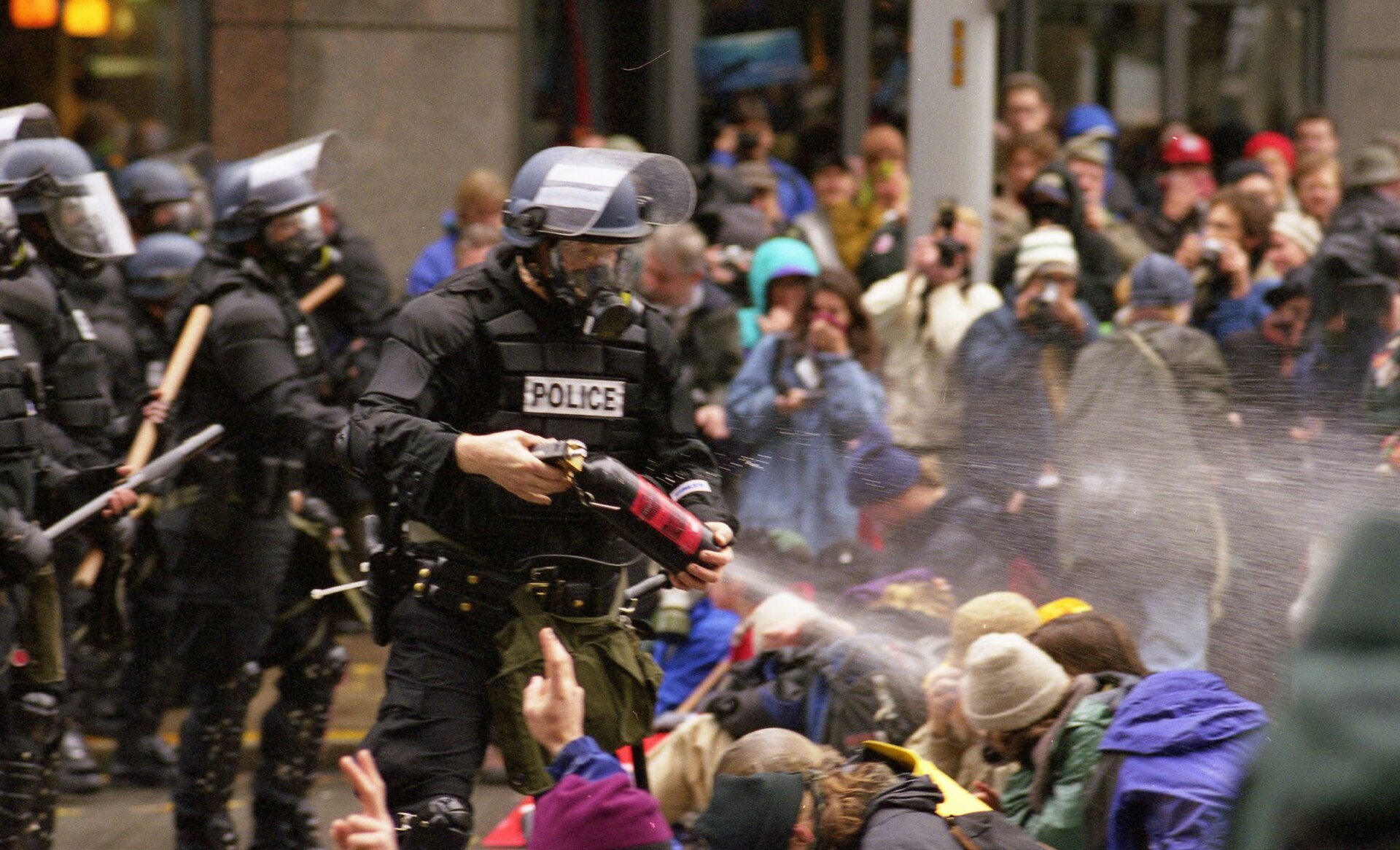
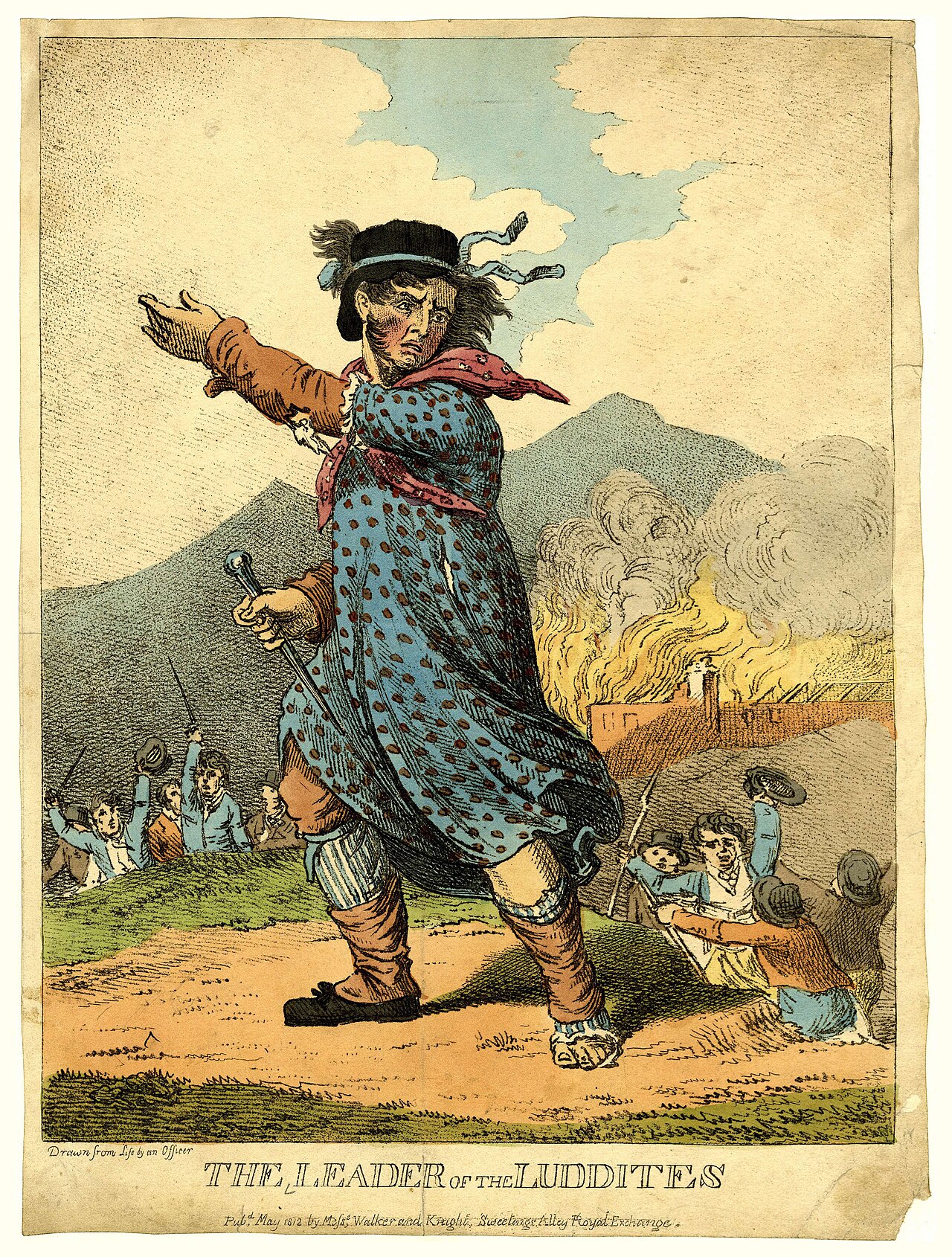
Between 1811 and 1816, textile workers in the English Midlands and North broke frames. Ned Ludd was chiefly a collective signature rather than the securely documented leader of a single movement. The Luddites did not hate every machine. They attacked the use of machines to deskill crafts, cut wages and take control of work away from workers. The government answered with troops, trials and a law making frame-breaking a capital offence. Byron opposed that punishment in the House of Lords.
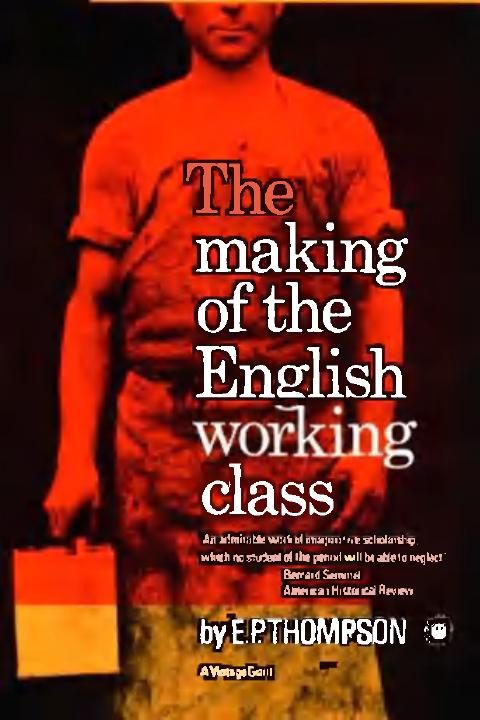
The caricature of the ignorant machine-breaker has served the winners. Eric Hobsbawm interpreted machine-breaking as a form of collective bargaining by riot; E. P. Thompson situated it within the moral economy of working people. That shift matters to me: the question is not whether a technology is new but who imposes it, on whom, and how it redistributes power. Langdon Winner would ask whether artefacts have politics; David Noble showed how control over labour could be designed into machine tools.
Refusing an obligatory life online
Late-twentieth-century neo-Luddism — what I call here, without claiming it is an official period, “Luddism 2.0” — challenges the obligation to carry a screen, hold an account and be reachable and measurable at every moment. In her Notes toward a Neo-Luddite Manifesto, Chellis Glendinning asked that the social and ecological effects of technology be examined before its adoption is treated as inevitable. French groups such as Pièces et main d’œuvre and Technologos have continued to publish investigations and manifestos against technocracy. Their methods and positions differ, but they belong to an organized tradition of refusal.
My answer was not always withdrawal. With Teleweb.org and TV-Art.net, I tried to change the routes of audiovisual distribution at the beginning of the Web: let everyone broadcast, not merely receive. Creating alternative media was already a way to hack ownership of the channel. Now the channel also includes language and knowledge themselves.
Luddism 3.0: knowledge extracted
AI models absorb texts, images, voices, professional gestures and conversations. Their power is built on accumulated human contributions, often without a bargain with their makers. Behind the apparent automation there is also current work: annotation, moderation, evaluation and correction. Data Labelers and the Writers Guild of America make two fronts visible: the conditions of work that feed models, and the right not to have an occupation or a body of work taken away.
The conflict is not simply human versus machine. It is between systems of ownership, infrastructure and rights. PauseAI, Stop AI and other groups demand stronger pauses, sometimes in the name of existential risk. I do not endorse all their strategies. But the ability to stop a system must not be dismissed: stopping can be a democratic skill.
When refusal becomes a question of survival
With AI, the stakes of refusal may exceed those of many earlier technologies. Nuclear weapons showed that an invention can threaten the continuation of human life. AI is not a bomb; its mechanisms and timescales differ. Yet the possibility of catastrophic harm requires decisions before deployment, not merely after an accident. The 2023 Bletchley Declaration acknowledged serious risks from frontier models. Researchers and industry leaders called for extinction risk from AI to be treated as a global priority. The 2026 International AI Safety Report also records profound uncertainty and disagreement about future loss of control; current systems do not possess the capabilities assumed in the most extreme scenarios.
Uncertainty is not a licence for a blind race. It makes the right to slow, audit and reject certain capabilities political. Survival is not merely biological: a society can stay alive while losing its ability to decide. Luddism 3.0 must defend both.

Two powers, several kinds of closure
Geostrategic competition pushes the other way. US companies control much of the investment, computing infrastructure and distribution platforms. US restrictions on advanced chips also make computing power an instrument of diplomacy. In China, DeepSeek-R1 and Qwen3 distribute accessible model weights. That is a genuine opening for some uses, but releasing weights does not automatically open training data, compute, design decisions or governance. The Open Source Initiative’s definition helps distinguish these layers. American initiatives differ too: OLMo exposes more of its components for scrutiny, while gpt-oss releases weights on its own terms.
I do not want to choose between a US corporate monopoly and geopolitical dependence on models that are only apparently “open.” Autonomy means being able to inspect, change, host, stop and pass on an intelligence without permission from a central power.

From E.L.I.O.T. to Interlligence
In 2017 I conceived E.L.I.O.T., a collective conversational agent. Its manifesto described a war of languages: calculated, commercialized language risks being laid over the human voices that supply it. I want to take this conflict seriously. What if, instead of handing our words to a black box, we built an intelligence whose material and authority remained shared?
I call this project Interlligence. Anyone could voluntarily offer a fraction of their time and knowledge to a global conversation. A question would be broken down, debated, translated, challenged and documented by people. Models could help connect contributions, never decide their value alone. An answer would retain its authors, disagreements and sources. This would not simulate omniscience; it would be a collective intelligence learning in public.
An artwork made of answers and waiting
I imagine Interlligence as both an artwork and an infrastructure. A question reaches an exhibition space; somewhere, strangers choose to give it five minutes, an hour or a night. Waiting becomes visible. Disagreement is not erased by a smooth sentence. Unlike a conventional chatbot, the system must be allowed to say “I don’t know,” ask for time, pass the question on, or remain silent.
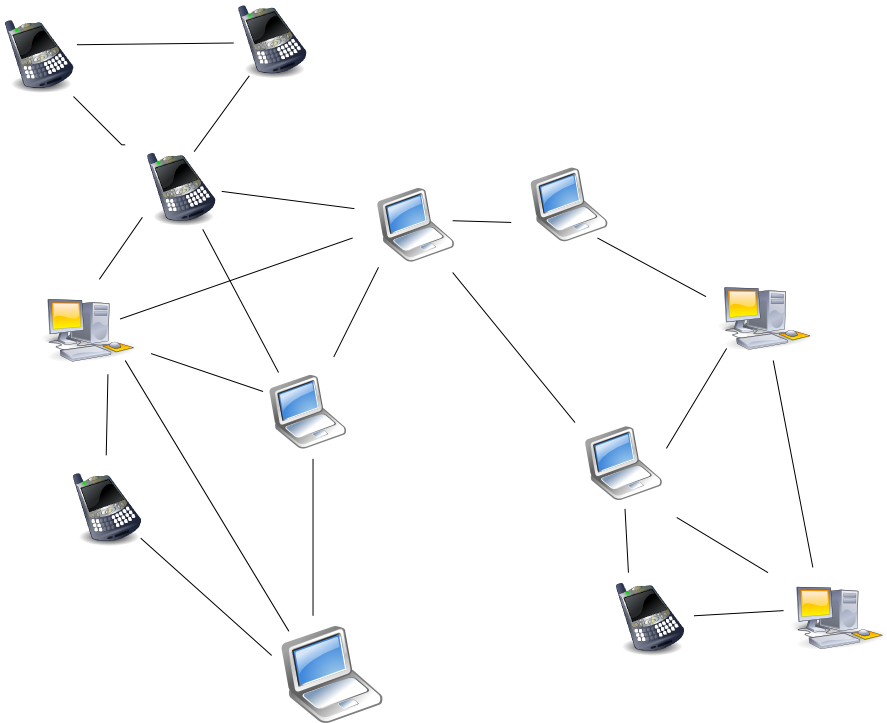
It would require, at minimum, cooperative and revocable governance; a time bank without an attention market; multilingual moderation and translation; credit and licences that respect contributors; consent-based corpora; free, auditable models; decision logs; and mechanisms for appeal, withdrawal and shutdown. Its architecture would be peer to peer first, with nodes hosted by individuals, libraries, associations and institutions. A free universal blockchain might, if genuinely useful, record collective rules and minimal proofs of governance — never private conversations on an immutable chain. Peer-to-peer design does not guarantee equality or security; it moves the place where they must be built.
Wikimedia’s human-first strategy, Common Voice and libp2p offer starting points, not a model to copy. To what degree should we be for or against AI? I would rather ask whether we can withdraw our labour from systems that drain the commons, then build free intelligences that respect it. Today’s Luddite hammer can also be a hand extended toward a different architecture.