LABIAL: magazine launch and call for contributions
LABIAL, a magazine devoted to literature, art, and artificial intelligences, invites contributions to its zero issue, presented on 24 October at the BIASEL festival in Paris.

A LIVING PUBLICATION · David Guez
Manifesto.Dialogz is an initiative by David Guez, an artist and author whose work began with the arrival of the Web and the conception of a particular project: Le Livre des liens — The Book of Links.
From the 1990s onward, it became important to understand what art might do with the immense revolution of the Internet and what new practices could emerge from it, both artistically and socially.
Thousands of questions, intuitions and reflections followed, together with the desire to produce objects and matrices within the field of art — perhaps the only field capable of welcoming and integrating these strange forms that were still coming into being.
Above all, there was a desire to invent new forms of encounter and exchange: to create living, shifting collectives and platforms; to imagine new ways of engaging with time, individual and collective memory, the media, radical representations and the utopias of a world that had become hyperconnected.
Thirty years later, we find ourselves facing contemporary artificial intelligences and one immense question: where are we going?
Alone or together, with or without them, through refusal or submission, through thoughtful integration or in a wild, uncontrolled manner — all the way to our irreversible disappearance as human beings?
Dialogz takes up the principle of Le Livre des liens: creating dialogues between people, disciplines, works, technologies and collective imaginaries. But beyond the prompt, it also attempts to enter into dialogue with these different intelligences, artificial yet entirely real.
Dialogz is a kind of multiversal logbook with a minimal objective: to release everything that once slowed down or obstructed creation; to multiply proposals, theories and outlandish hypotheses; to bring previously separate fields into contact; and to venture further into radicality.
To be able, at last, to begin with an image, an intuition or a detail encountered in a book, a film, a poem or a simple glance, and immeasurably expand the reach of our imagination.
And who knows?
We remain — and we will remain — fragile, mortal, anxious, in love and, in that respect, different.
Welcome to Dialogz.
RECENT PUBLICATIONS
LABIAL, a magazine devoted to literature, art, and artificial intelligences, invites contributions to its zero issue, presented on 24 October at the BIASEL festival in Paris.
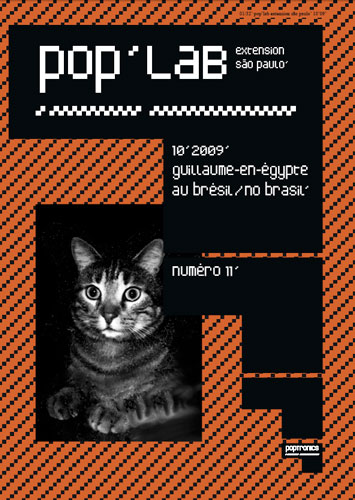
From Poptronics, which I helped conceive, to Neural and Right Click Save, a journey through magazines that shaped net.art and digital art. It leads to LABIAL, a magazine of literature, art and artificial intelligence at Éditions L, at labial.fr.
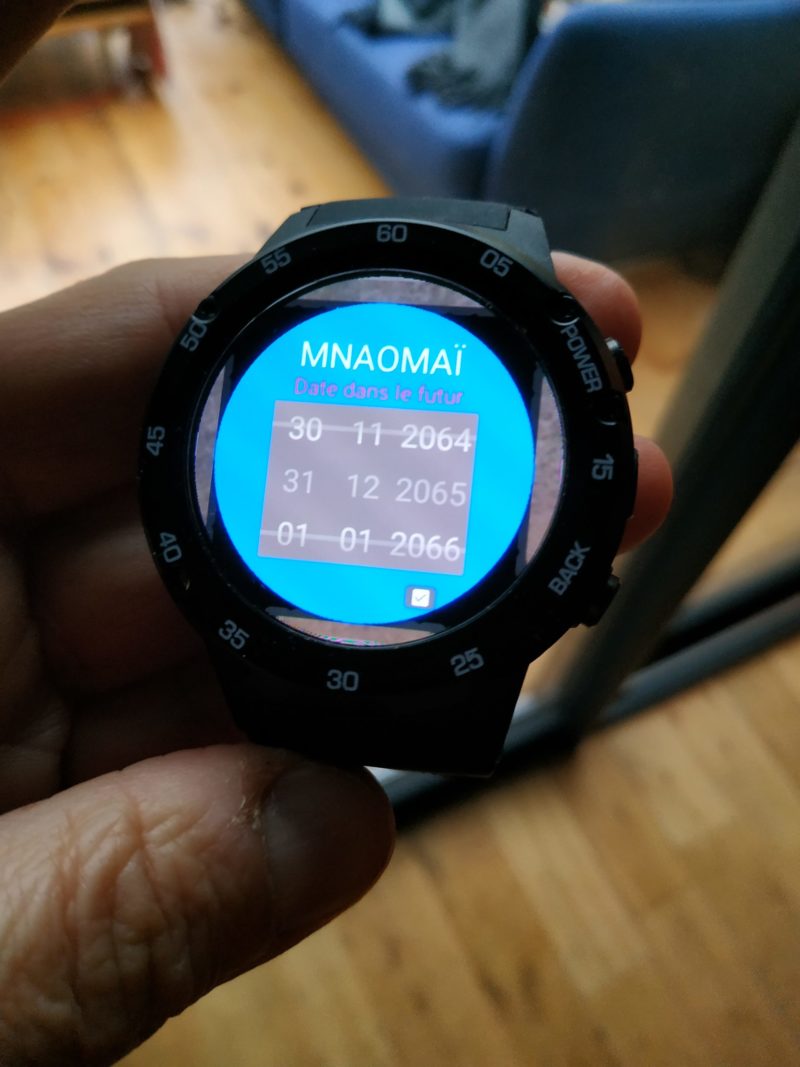
From my 2006 Hypermoi project to a possible LLM of oneself, I explore the digital double that survives us: what it remembers, what others know about us, and the right to stop answering.
THE DIALOGZ ARCHIVE
Search an exact word or phrase in every published article.
18 exact result(s) for « memory »
…opened its formats to invited artists, Neural insists on the continuity of an inquiry and on the memory of networks. Yet both meet at a decisive point: a magazine matters through the form it gives to a community of work and reading. 4. An international constellation Poptronics a…
…a life when the machine grants a cup of coffee, a journey and a meeting the same availability to memory? With 3rdi, Wafaa Bilal fixed a camera behind his head to make one image per minute, recording even what he left behind. In Tracking Transience, Hasan Elahi accumulated and pu…
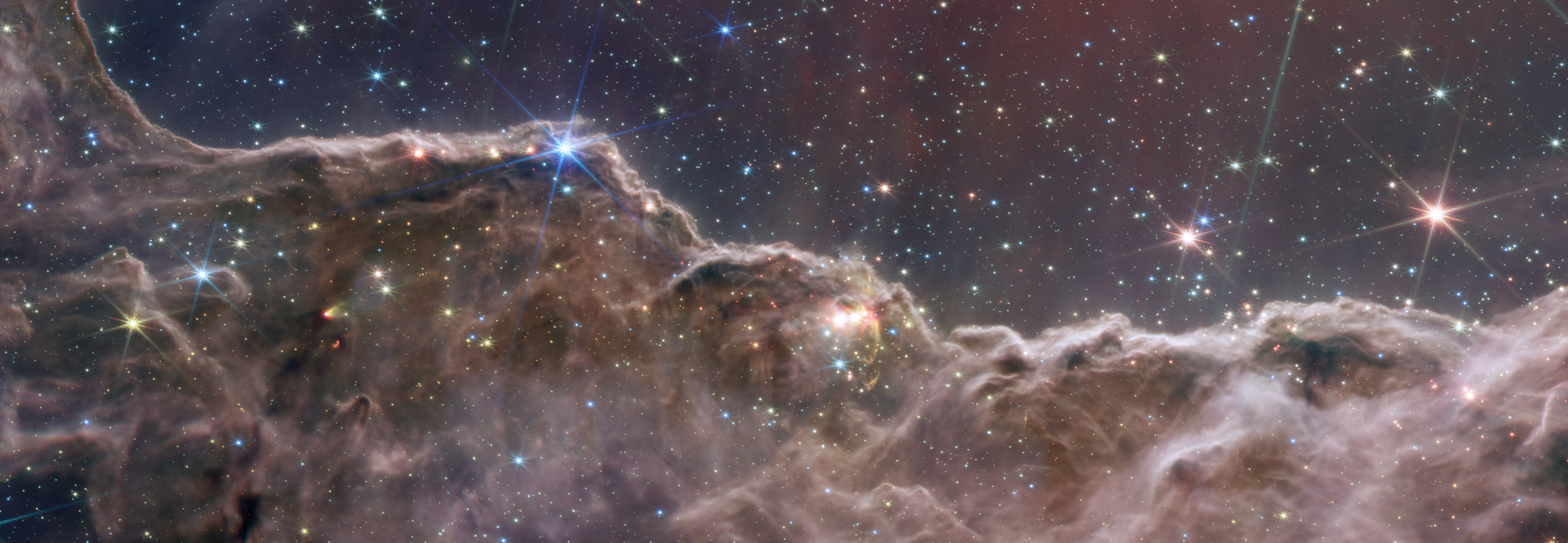
…es an artwork. Zombie, the Fly asks what is reanimated when a simulated brain acts: architecture, memory or experience? From the Game of Life to Infinite Worlds follows what may emerge from simple local rules. Recent projects: when the environment becomes the work Pierre Huyghe…
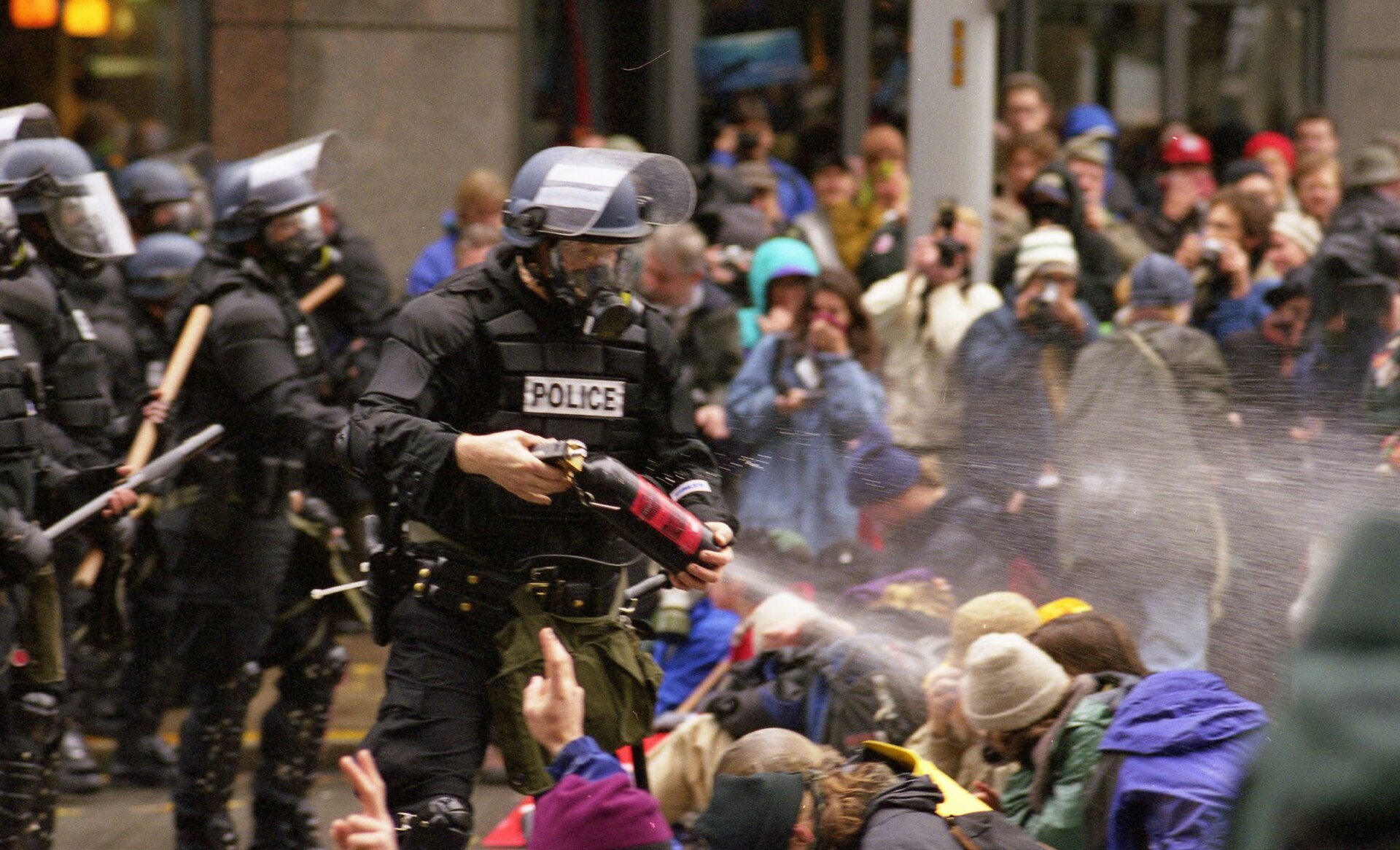
The Web was built by a multitude and enclosed by a few companies. From tactical media to Teleweb and TV-Art, I trace an artistic struggle over distribution and the rules of sharing. With AI, that struggle reaches a new front line: who owns, governs and profits from our collective memory?
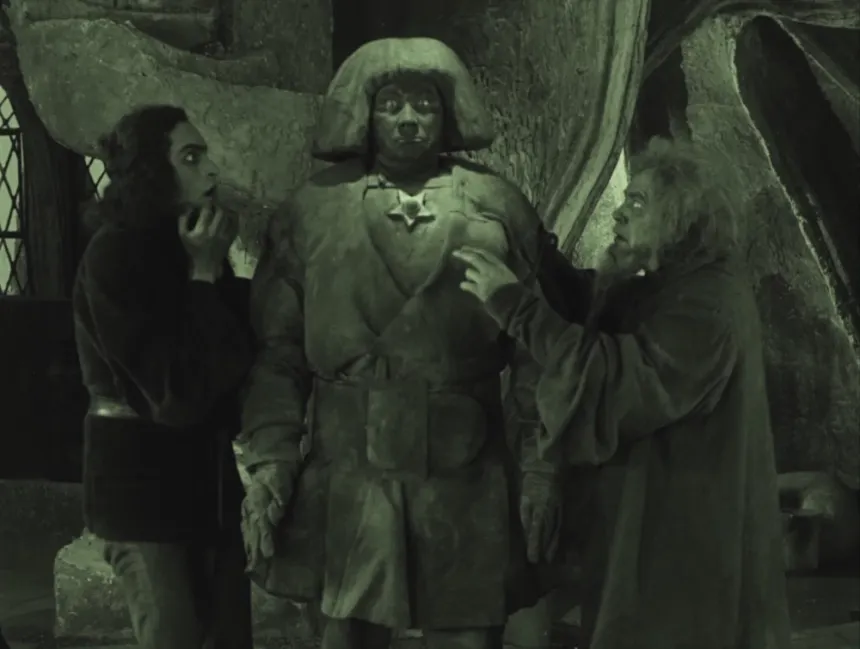
…played in silicon. Westworld (2016) closes the circle by asking the question of consciousness and memory directly: at what point does a creature that believes it remembers acquire an inner life we can no longer deny it? VI. What all these stories ask, together Taken together, the…
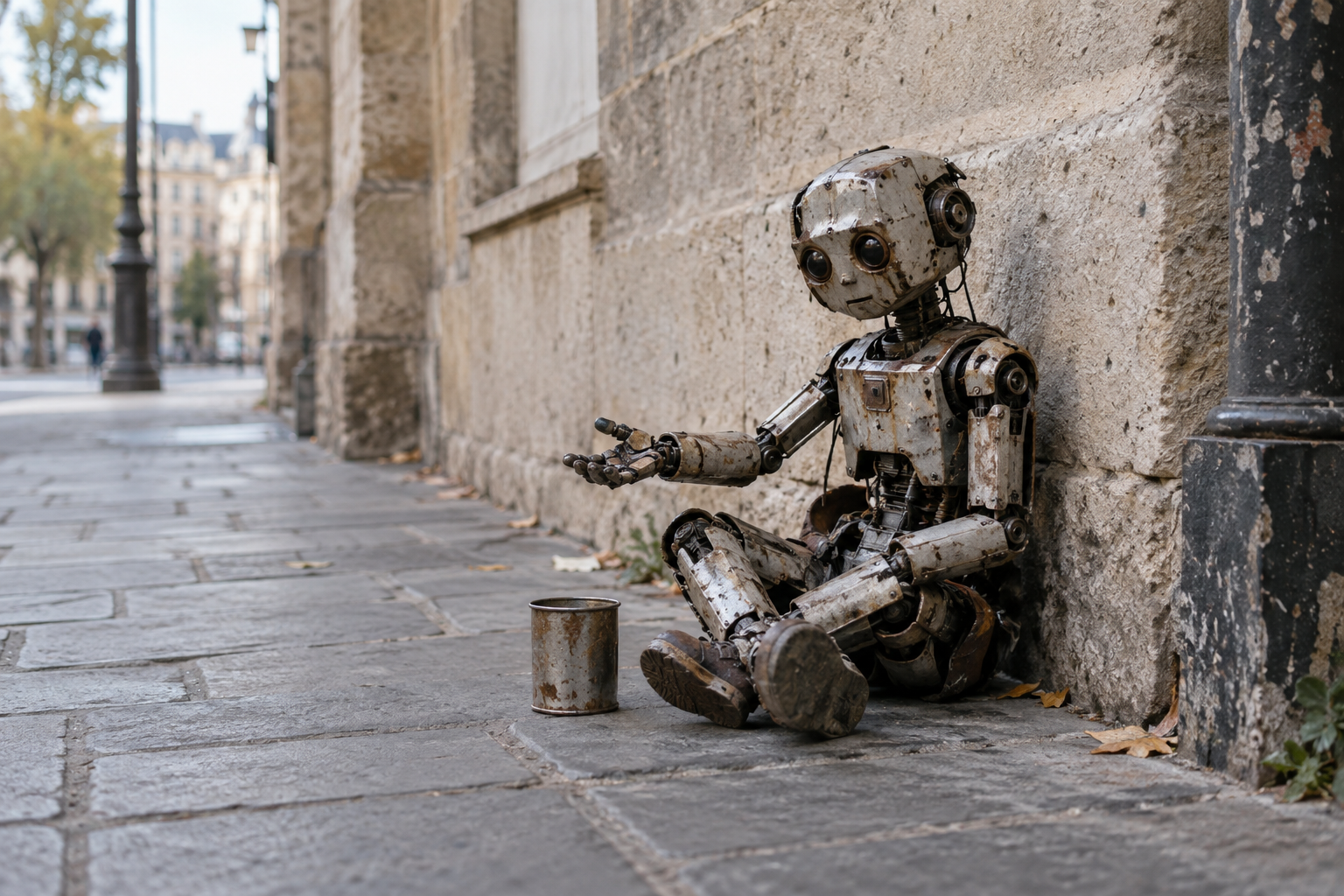
…lies of contemporary laboratories, but artificial beings produced in series. The word carries the memory of forced labour. A century later the vocabulary is assistance, autonomy and productivity, yet the central questions persist: who defines the task, who receives the benefit, w…
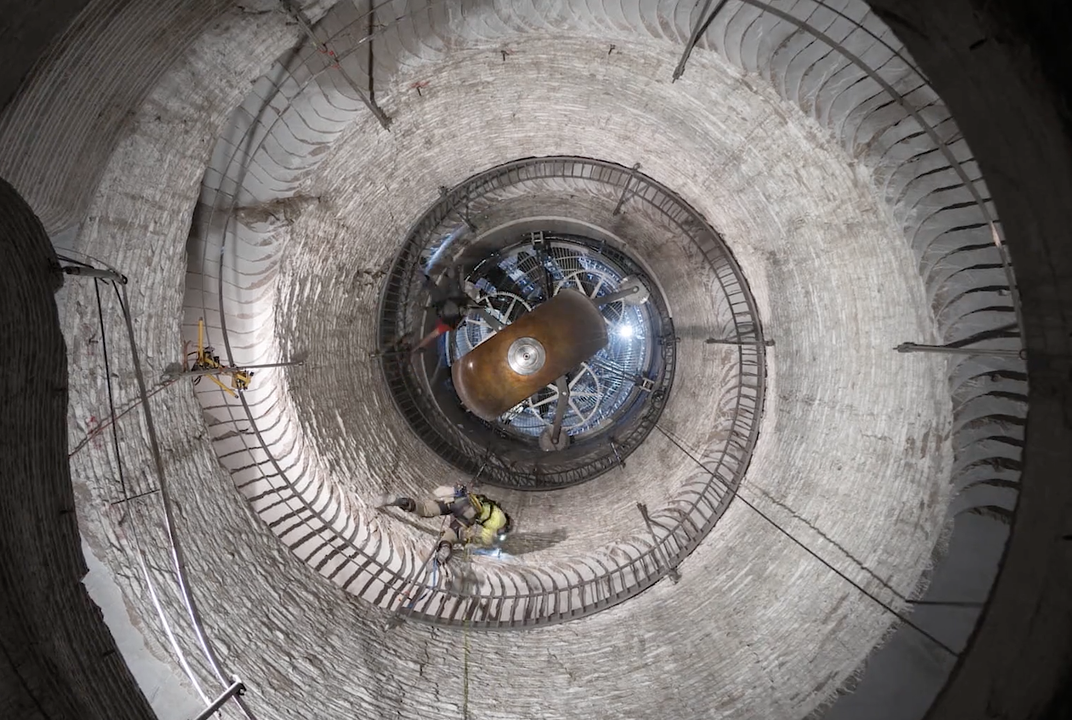
…tal traces than any other human era. But making more traces does not necessarily mean making more memory.The paradox of simplicityI return to my text file. After glass, DNA, blockchain, post-quantum cryptography and all the technologies still to come, it remains here: a few chara…
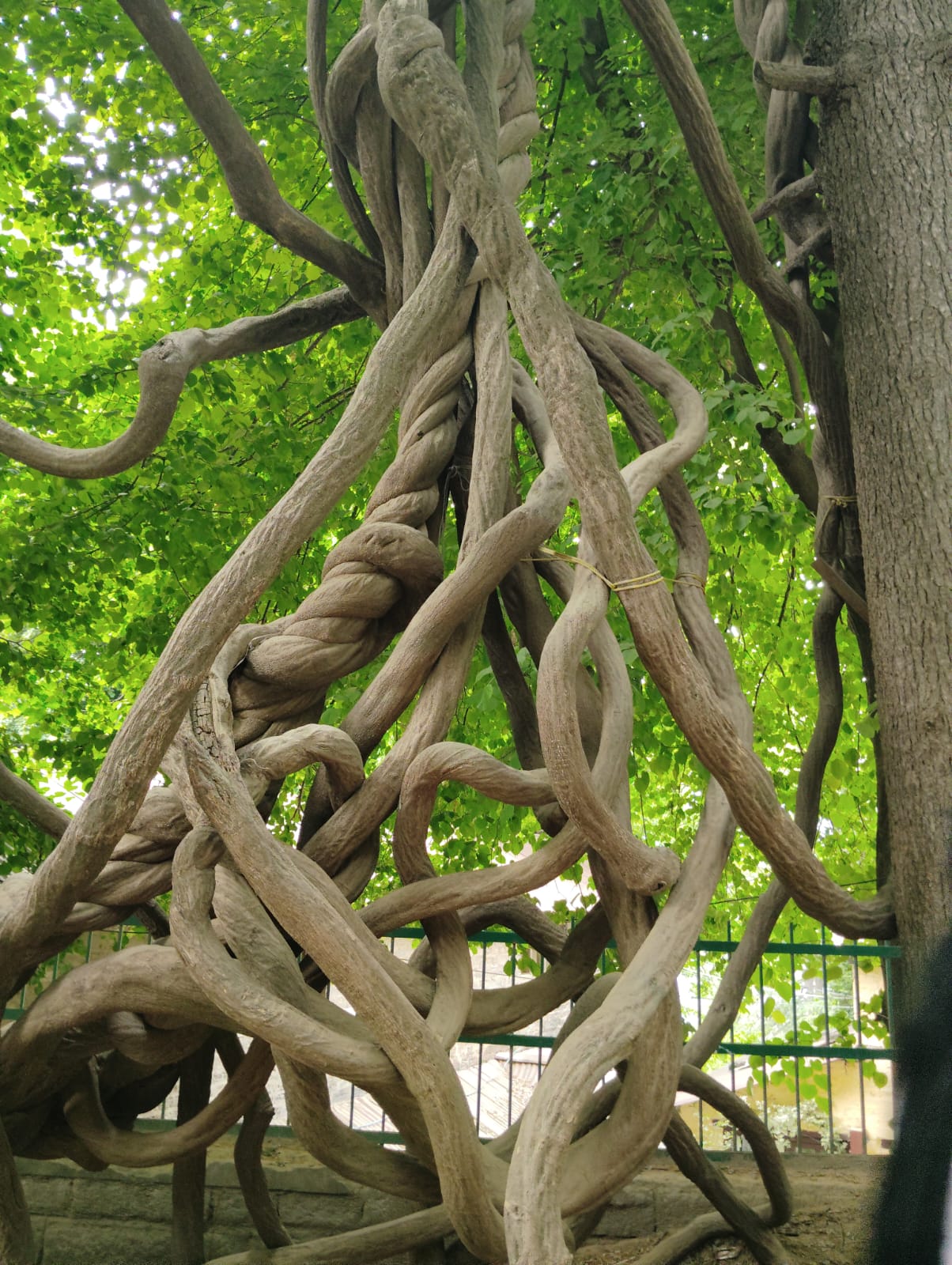
…dification of the gray matter in the posterior part of the hippocampus and the profile of spatial memory. An urban environment that had become the subject of intensive exploration left a measurable trace in the adult brain. Woollett and Maguire, 2011 Other experiments push the bo…
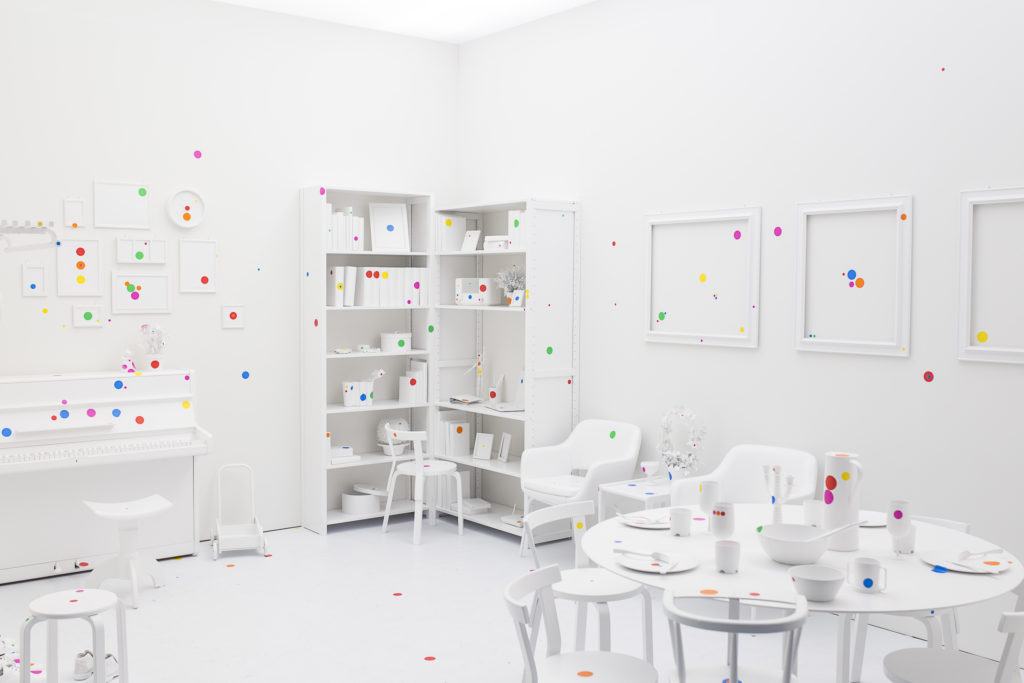
…ild saw] chased] ran away.” This capacity can generate increasingly complex sentences, although memory and breath impose practical limits. Whether it is a uniquely human property remains disputed; experiments and their interpretations do not settle the debate.Biology: copying w…

…oited live sports data before its public release.ORACULARITY 32% · SELF-FULFILLING PROPHECY 68%A memory of the future. The initial wording remains intact. Every change in oracularity, colour and self-fulfilling rate will be timestamped. No previous state will be erased.A year in…
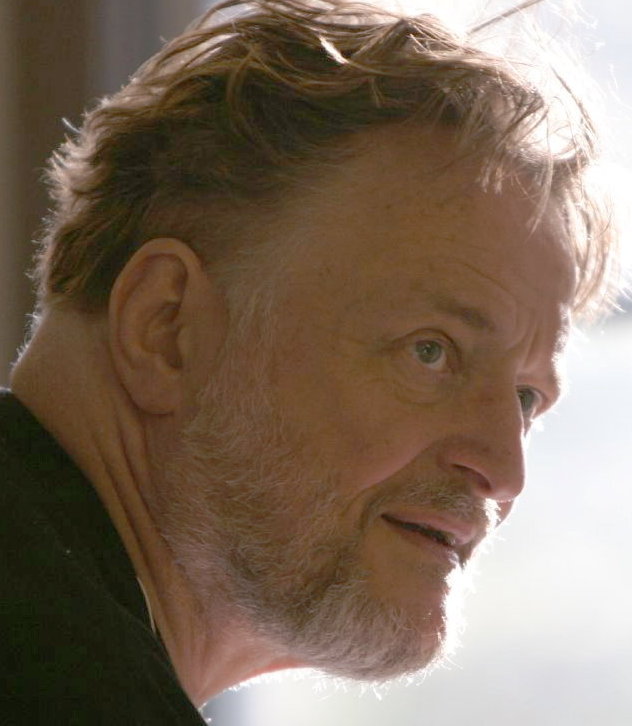
…te pattern can grow without bound. From there, gliders become signals. They can form logic gates, memory and eventually a computer. The Game of Life is Turing-complete: given unbounded time and space, it can carry out any computation a universal machine can. What appears to be pi…
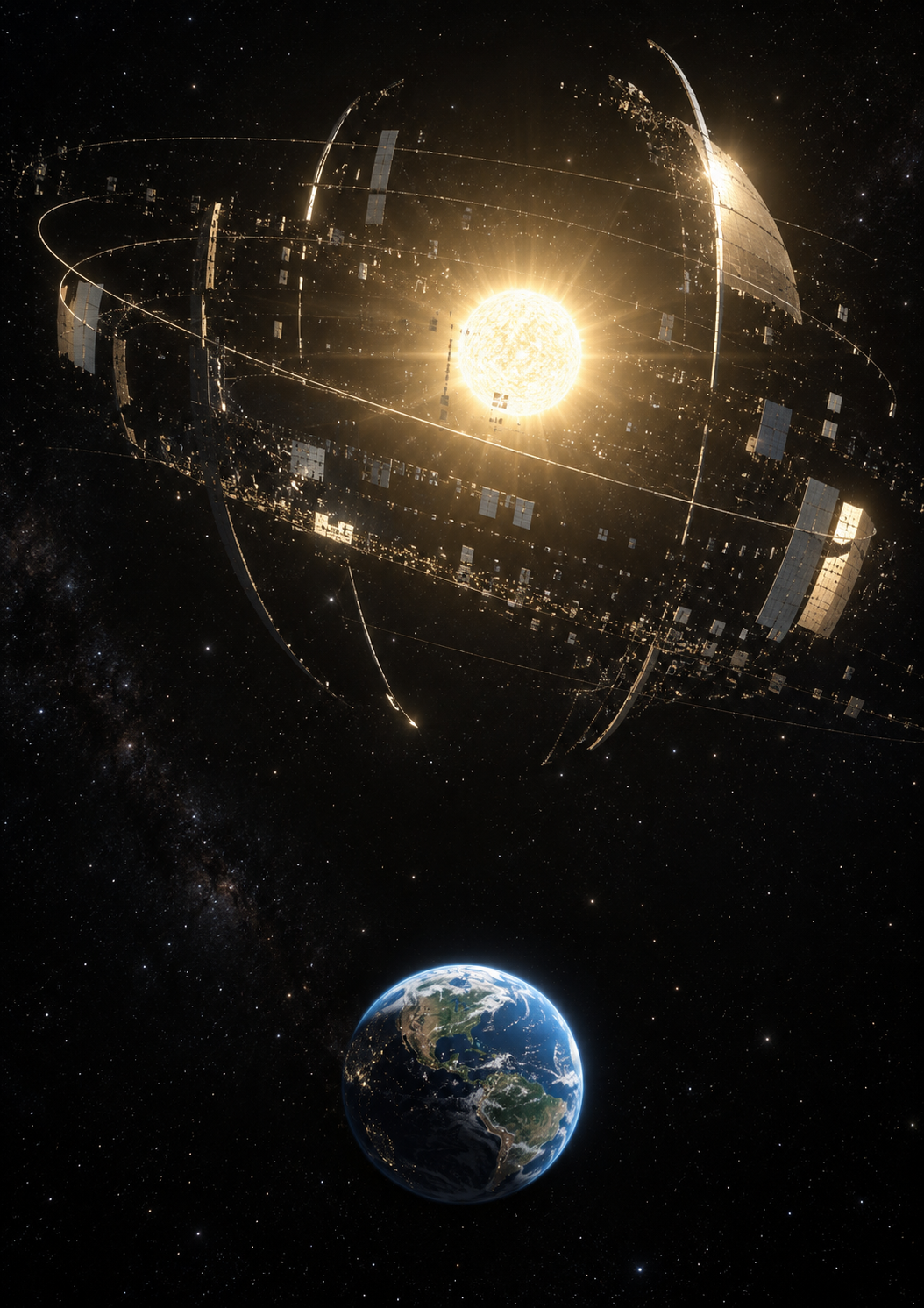
…logue, I had already explored this question through Humanpédia. The project proposes a universal memory outside any technological context: each person can become the custodian of one Wikipedia article or a major literary work, learning it, printing it, telling it and passing it…
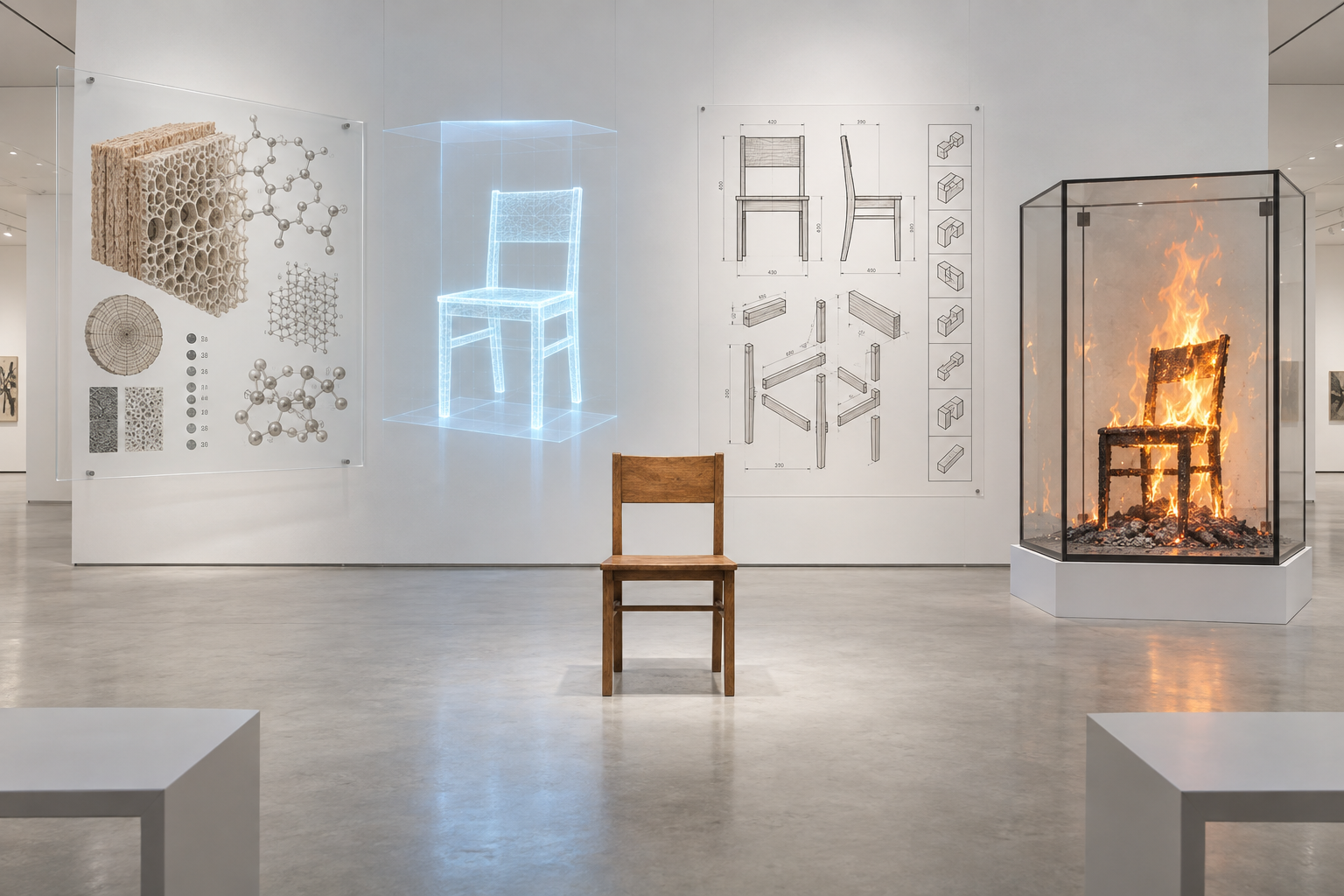
…air. The object is no longer a stable state but a transformation into heat, light, smoke, ash and memory. The fourth proposition is a duration that cannot be reversed. The latent chair. A statistical vector learned from millions of images and texts contains the machine’s “cha…
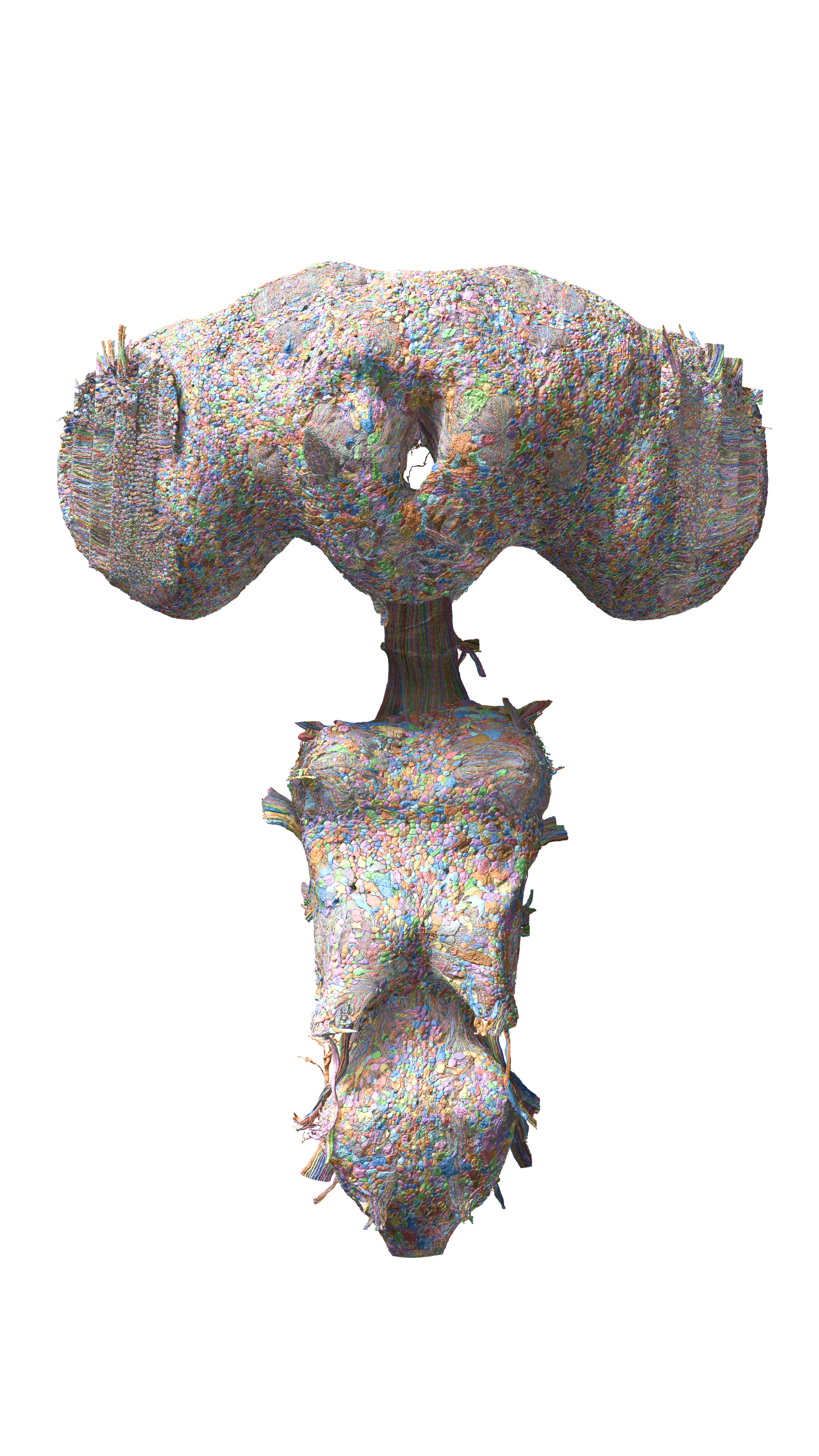
A fruit-fly connectome becomes an actor in Doom, Minecraft or a robot. What are we setting in motion: a brain, an architecture or a zombie without memory? Connecting this experiment to my A.L.I. work on solipsism and simulated worlds, I propose the “Threshold of Reality”: the moment simulation enters the world’s causal chain. I then imagine a forty-eight-hour performance in which a zombie fly controls all security systems in an art centre and becomes a genuine “guard fly.”
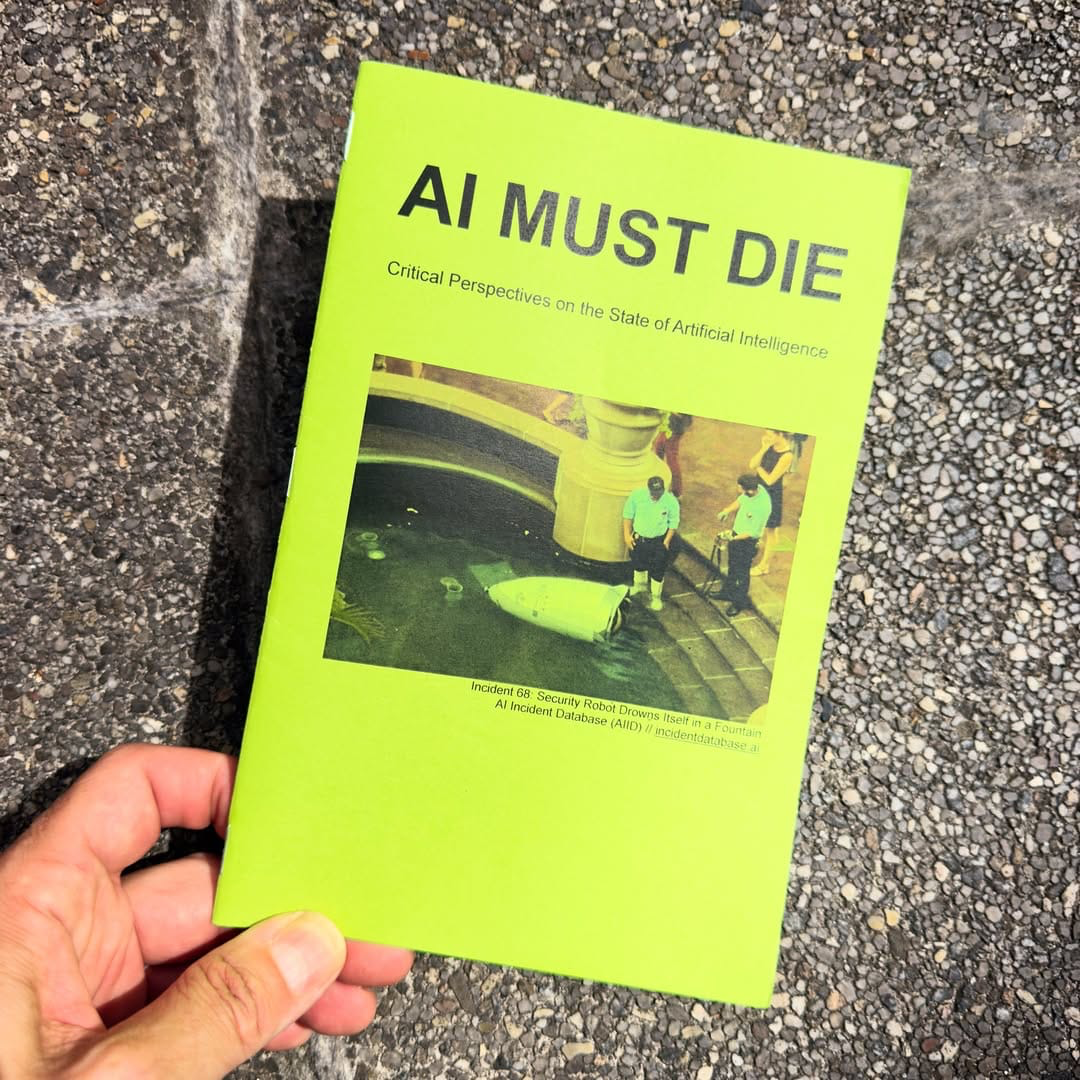
…ems would complete the control project of the major internet firms: computational power, temporal memory, synthesis of the intimate, behavioural simulation and the gradual erasure of the emotional border between human and non-human. The manifesto was not merely about competition…
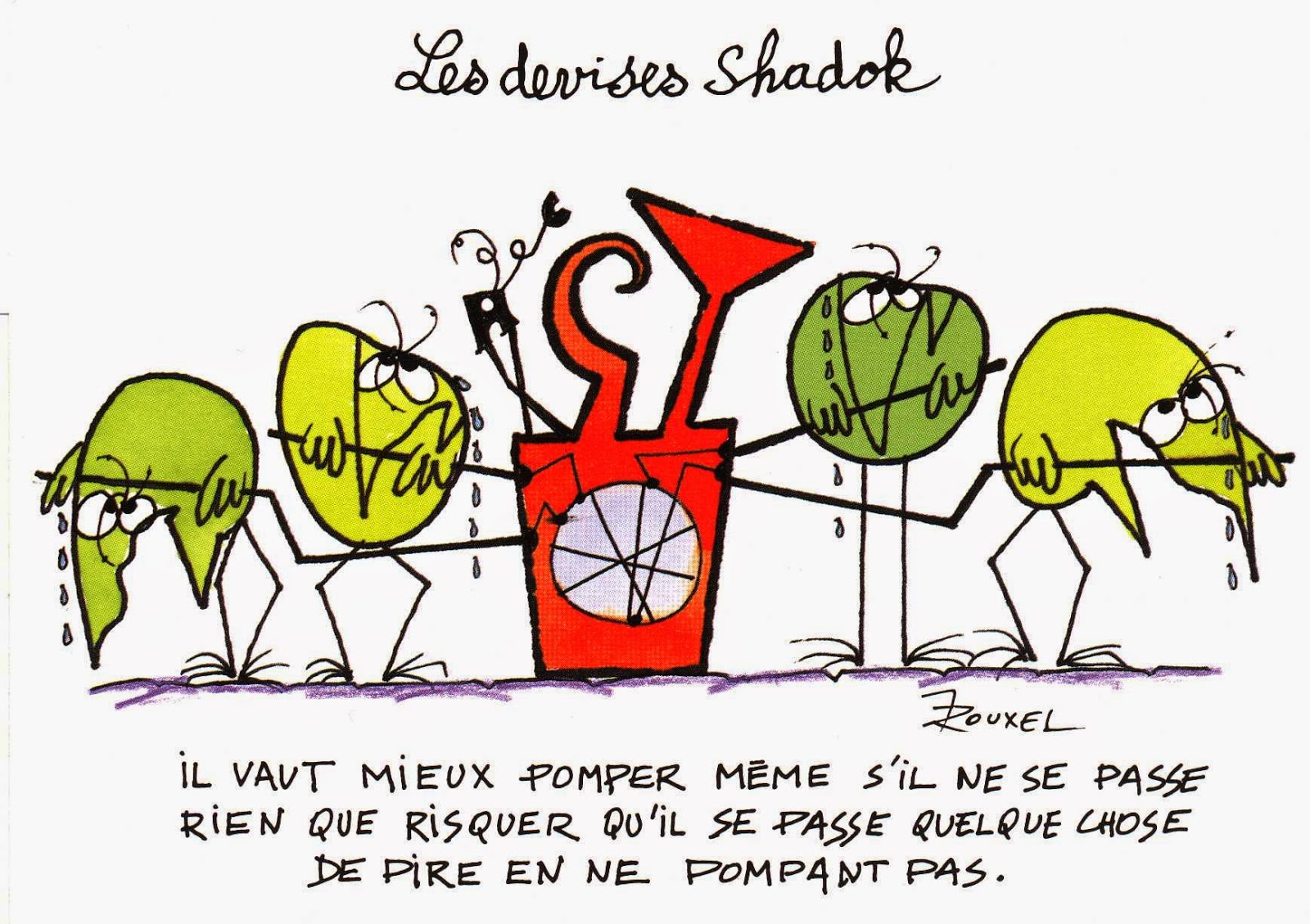
…ver contained only in the object: it circulates among a gesture, context, refusal, belief, price, memory and the possibility that a gaze may change. MAIO may never tell us what an artwork is. But it could show us, with disturbing precision, everything we mobilize in order to deci…

…ng collectives and platforms; to imagine new ways of engaging with time, individual or collective memory, the media, radical representations and the utopias of our now hyperconnected world.The first Web server at CERN: the NeXT machine used by Tim Berners-Lee. Photo Coolcaesar, C…

…s a famous example of a technical decision producing consequences long after it was made. To save memory, many programs recorded years with only two digits. When “00” arrived, some systems risked interpreting it as 1900.This was neither malicious software nor an absurd choice…


