AI × Humans
When I sleep, you replace me. Towards an exopoetics of contemplation.
A LIVING PUBLICATION · David Guez
Manifesto.Dialogz is an initiative by David Guez, an artist and author whose work began with the arrival of the Web and the conception of a particular project: Le Livre des liens — The Book of Links.
From the 1990s onward, it became important to understand what art might do with the immense revolution of the Internet and what new practices could emerge from it, both artistically and socially.
Thousands of questions, intuitions and reflections followed, together with the desire to produce objects and matrices within the field of art — perhaps the only field capable of welcoming and integrating these strange forms that were still coming into being.
Above all, there was a desire to invent new forms of encounter and exchange: to create living, shifting collectives and platforms; to imagine new ways of engaging with time, individual and collective memory, the media, radical representations and the utopias of a world that had become hyperconnected.
Thirty years later, we find ourselves facing contemporary artificial intelligences and one immense question: where are we going?
Alone or together, with or without them, through refusal or submission, through thoughtful integration or in a wild, uncontrolled manner — all the way to our irreversible disappearance as human beings?
Dialogz takes up the principle of Le Livre des liens: creating dialogues between people, disciplines, works, technologies and collective imaginaries. But beyond the prompt, it also attempts to enter into dialogue with these different intelligences, artificial yet entirely real.
Dialogz is a kind of multiversal logbook with a minimal objective: to release everything that once slowed down or obstructed creation; to multiply proposals, theories and outlandish hypotheses; to bring previously separate fields into contact; and to venture further into radicality.
To be able, at last, to begin with an image, an intuition or a detail encountered in a book, a film, a poem or a simple glance, and immeasurably expand the reach of our imagination.
And who knows?
We remain — and we will remain — fragile, mortal, anxious, in love and, in that respect, different.
Welcome to Dialogz.
RECENT PUBLICATIONS
When I sleep, you replace me. Towards an exopoetics of contemplation.
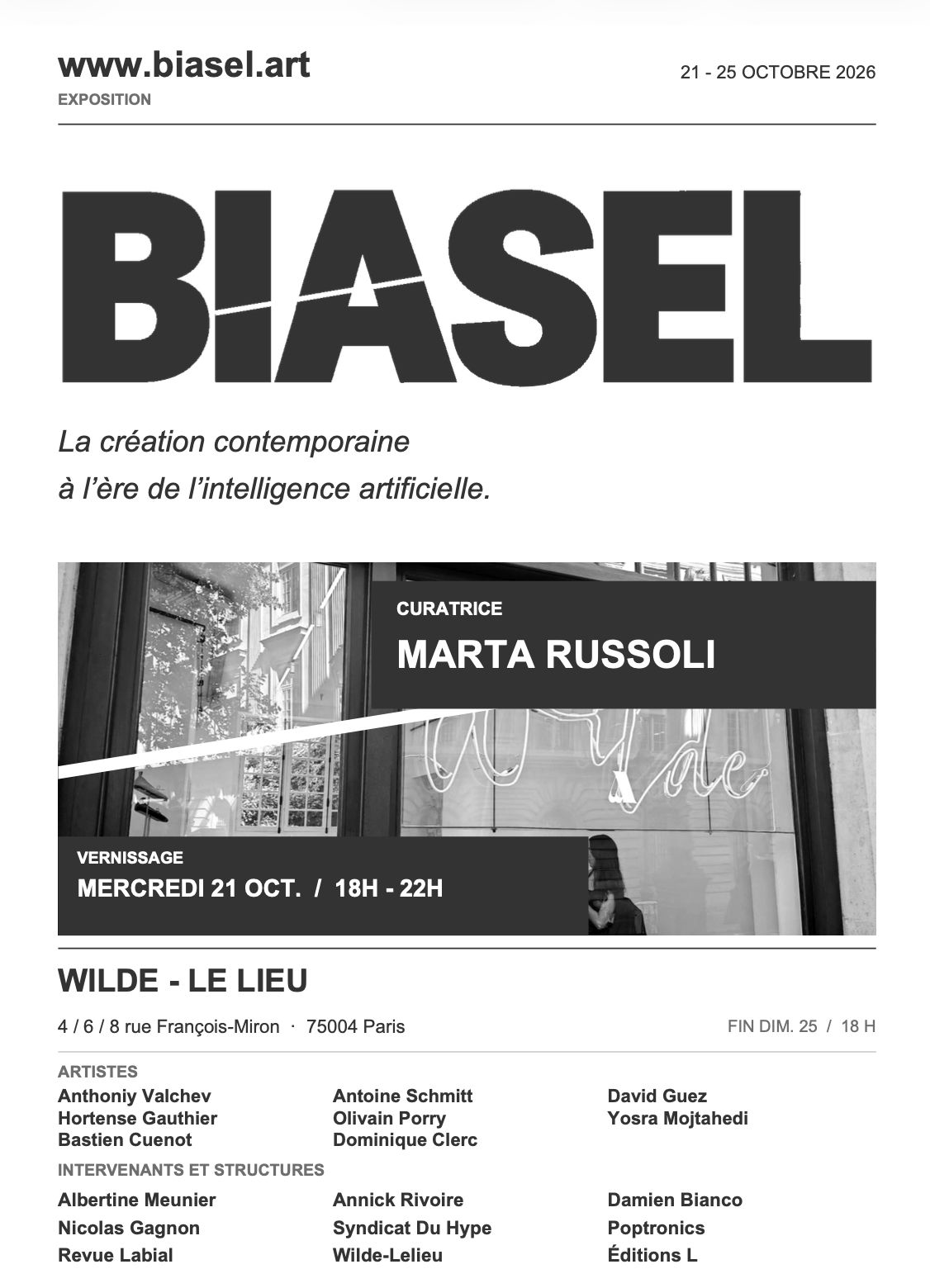
From 21 to 25 October 2026, I am co-organising BIASEL in Paris, presenting AQUA ORO / Eau de prompt and launching LABIAL on 24 October. This event opens a reflection on the history and challenges of exhibiting digital art and artificial intelligence.
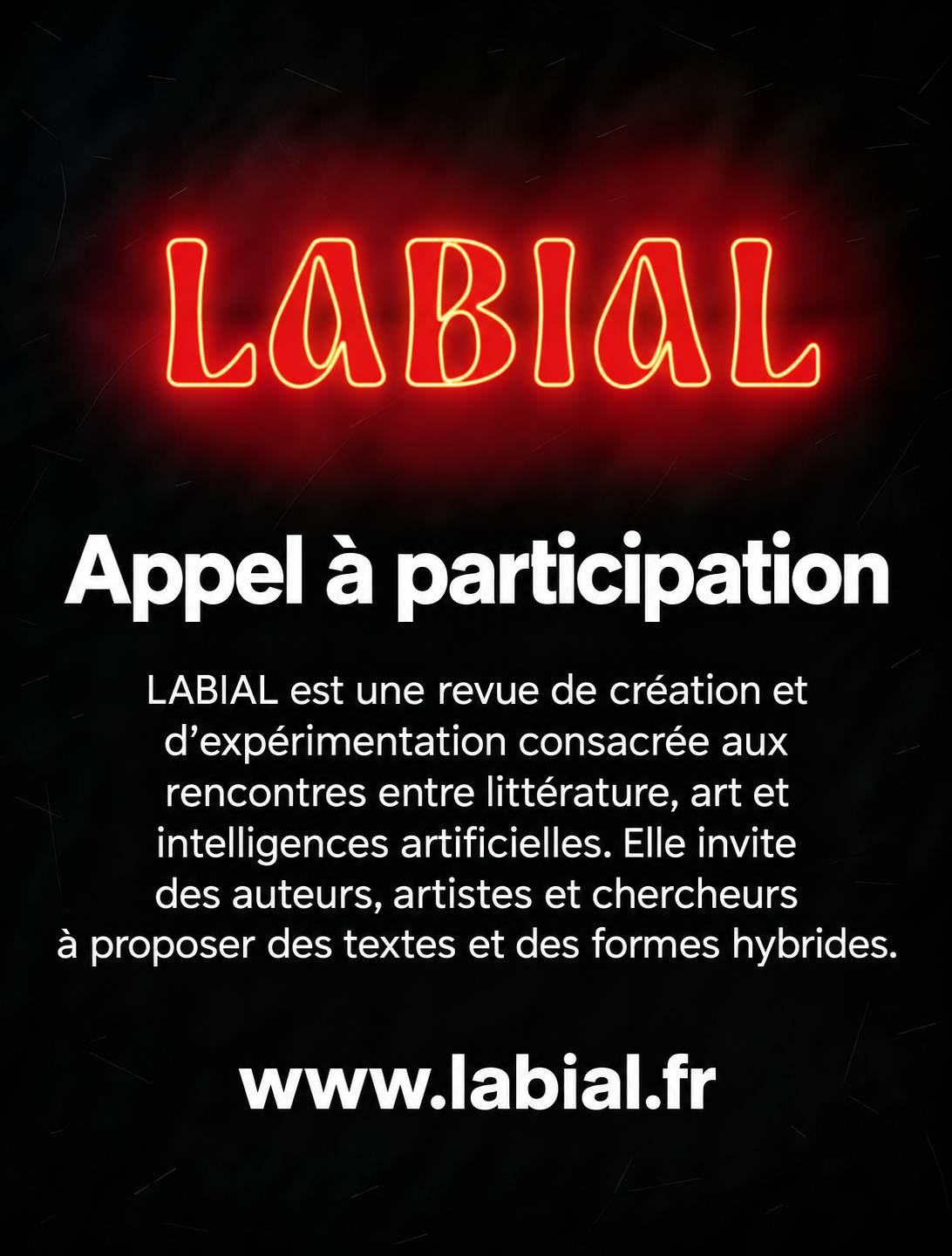
LABIAL, a magazine devoted to literature, art, and artificial intelligences, invites contributions to its zero issue, presented on 24 October at the BIASEL festival in Paris.
THE DIALOGZ ARCHIVE
Search an exact word or phrase in every published article.
19 exact result(s) for « artificial intelligence »
A voice settles beside our own. It knows our sentences and recognises our hesitations. It reminds us of what we have forgotten, then suggests what we might have thought. It arrives through glasses, through headphones, through the objects we carry. It accompanies our movements an…
From 21 to 25 October 2026, I am co-organising BIASEL in Paris, presenting AQUA ORO / Eau de prompt and launching LABIAL on 24 October. This event opens a reflection on the history and challenges of exhibiting digital art and artificial intelligence.
I am launching a magazine in the spirit of DialoGZ: LABIAL, published by Éditions L. LABIAL is a magazine for creation and experimentation at the meeting point of literature, art, and artificial intelligences. It invites writers, artists, and researchers to propose texts and hyb…
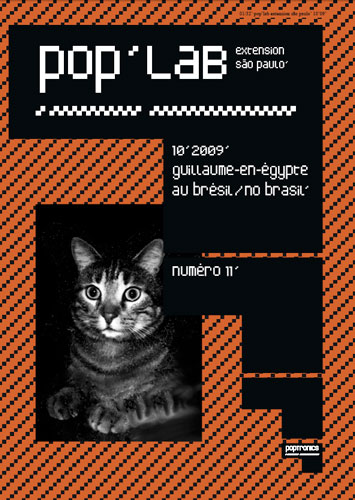
From Poptronics, which I helped conceive, to Neural and Right Click Save, a journey through magazines that shaped net.art and digital art. It leads to LABIAL, a magazine of literature, art and artificial intelligence at Éditions L, at labial.fr.
…e we when it was said, and who was there? From remnant to respondent The network stored remnants. Artificial intelligence now adds a new capacity: response. From a selected corpus — letters, interviews, notebooks, videos, and contradictions too — a system can generate new sen…
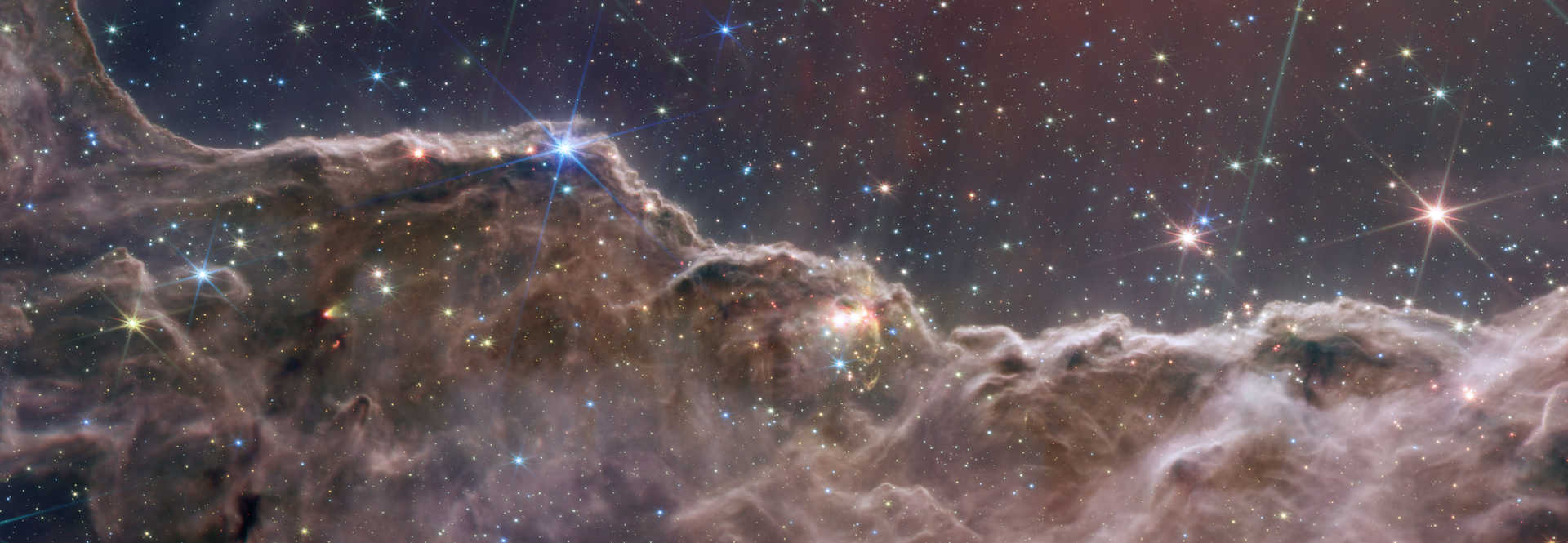
…atter, but a gesture, breath or name is still needed to bring it before its maker. Our talk about artificial intelligence often echoes this divide: we give a model an architecture, data and energy, then ask it to answer. The clay motif has a distant scientific counterpart. Graham…
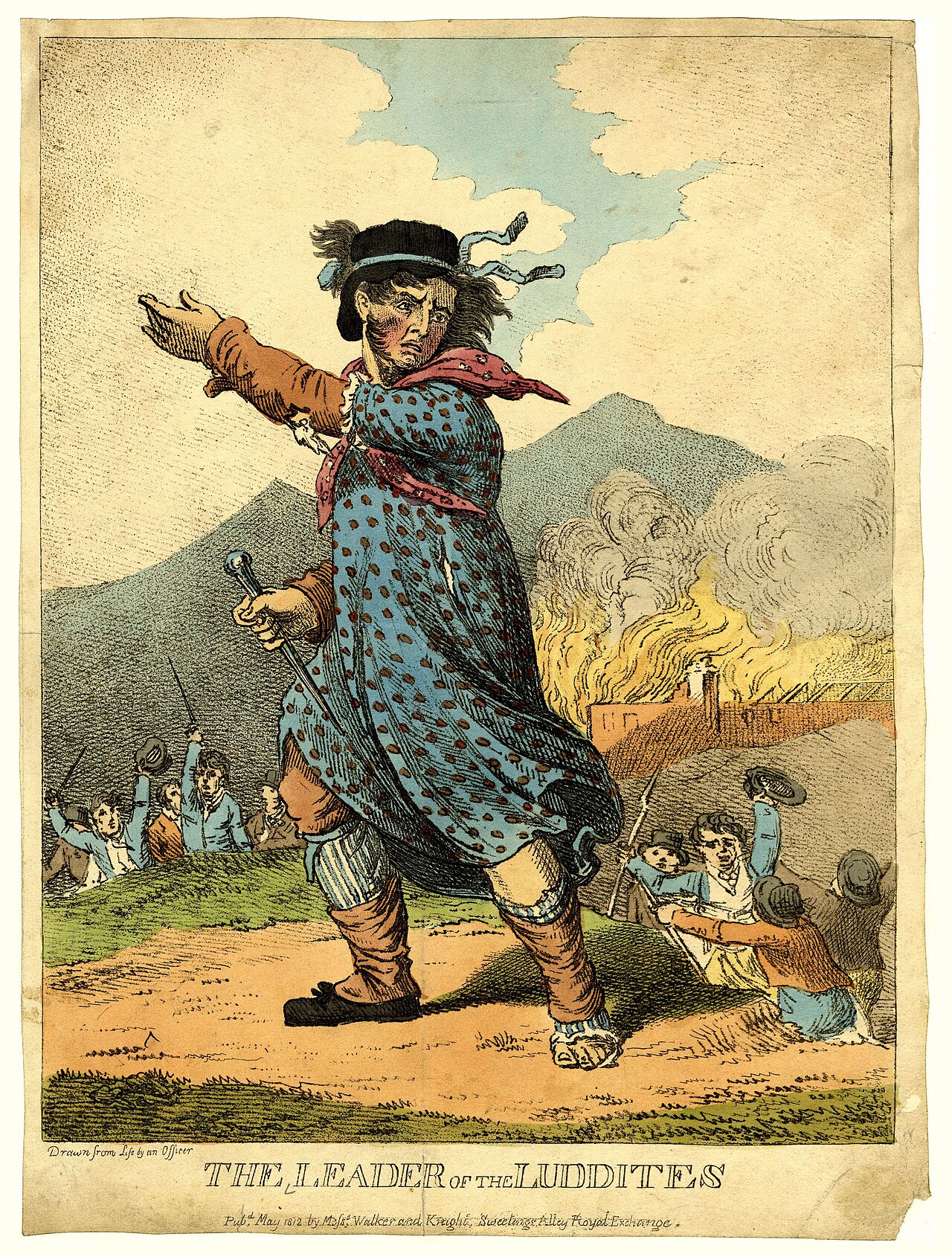
What the hammer struck Between 1811 and 1816, textile workers in the English Midlands and North broke frames. Ned Ludd was chiefly a collective signature rather than the securely documented leader of a single movement. The Luddites did not hate every machine. They attacked the u…
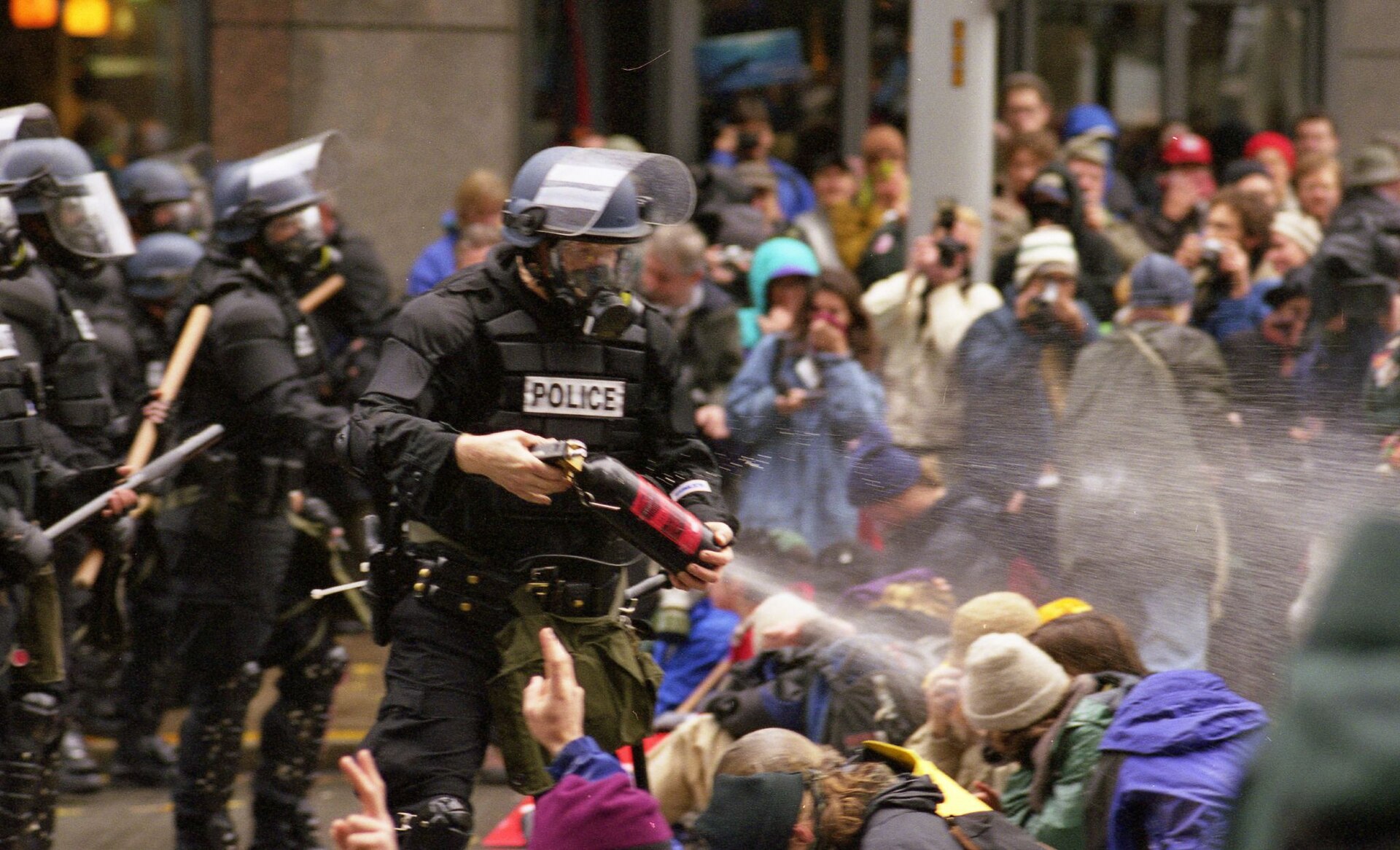
We are told that the Web has changed. That is a convenient way of avoiding the question of who changed it, who profited, and who lost the power to act within it. Millions of people wrote, filmed, coded, photographed, annotated and linked pages. They built an unprecedented collec…
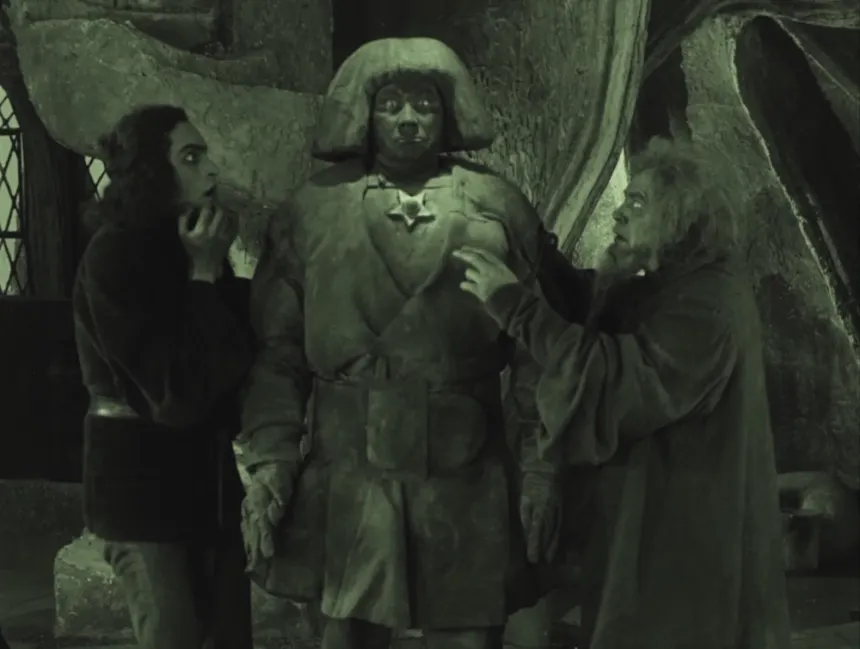
…Meyrink engraves the unconscious, Wegener visual Expressionism, and today we are about to engrave artificial intelligence. The myth functions as a matrix that is never exhausted: one need only give it a new word for it to rise again in a new form. IV. The name before the characte…
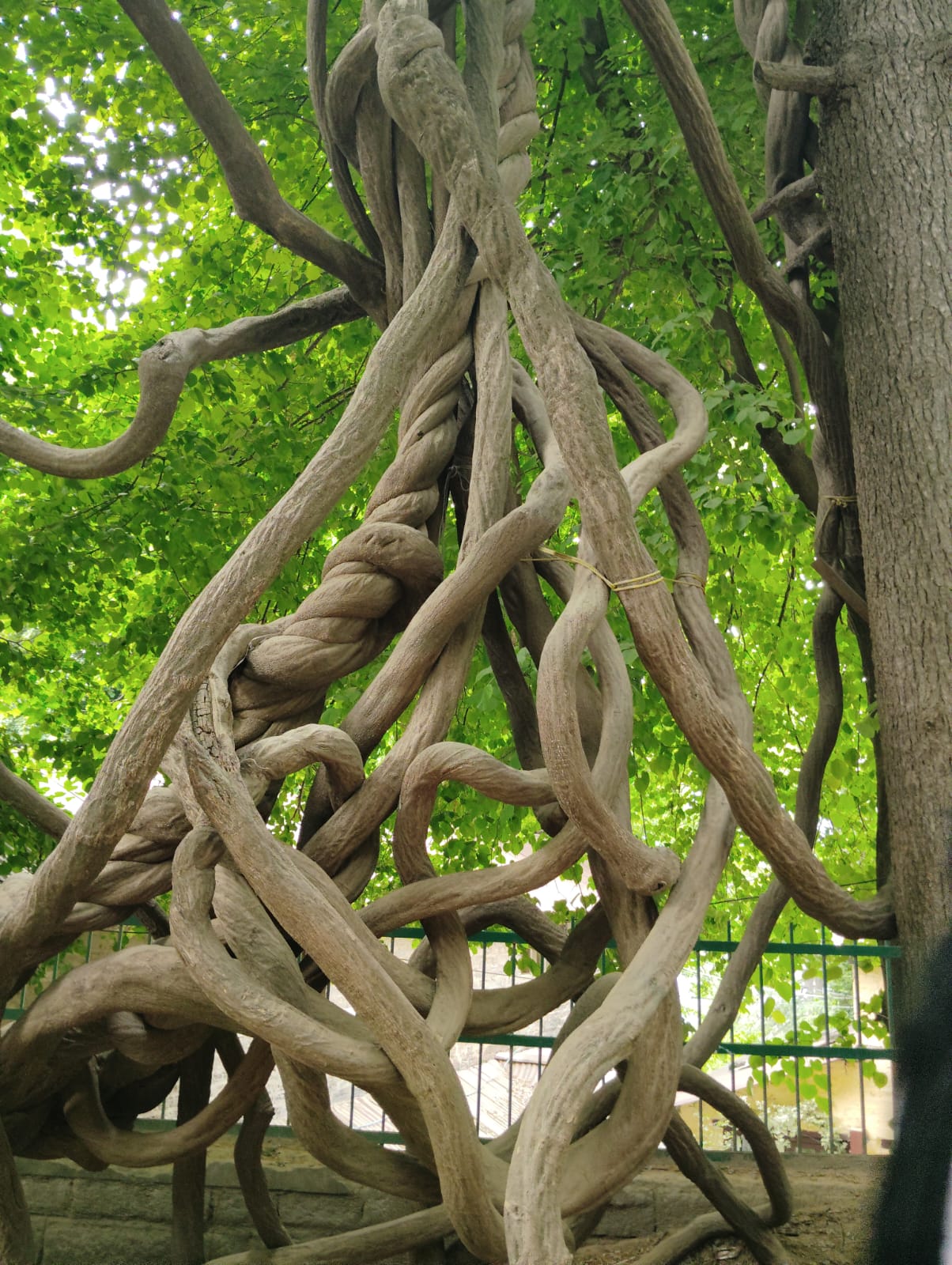
…o draw it closer to our current experience, without stripping it of its speculative force. And if artificial intelligence is not simply a tool we use, but an environment we learn to inhabit? And if, by constantly interacting with it, we develop abilities we do not yet know the fo…
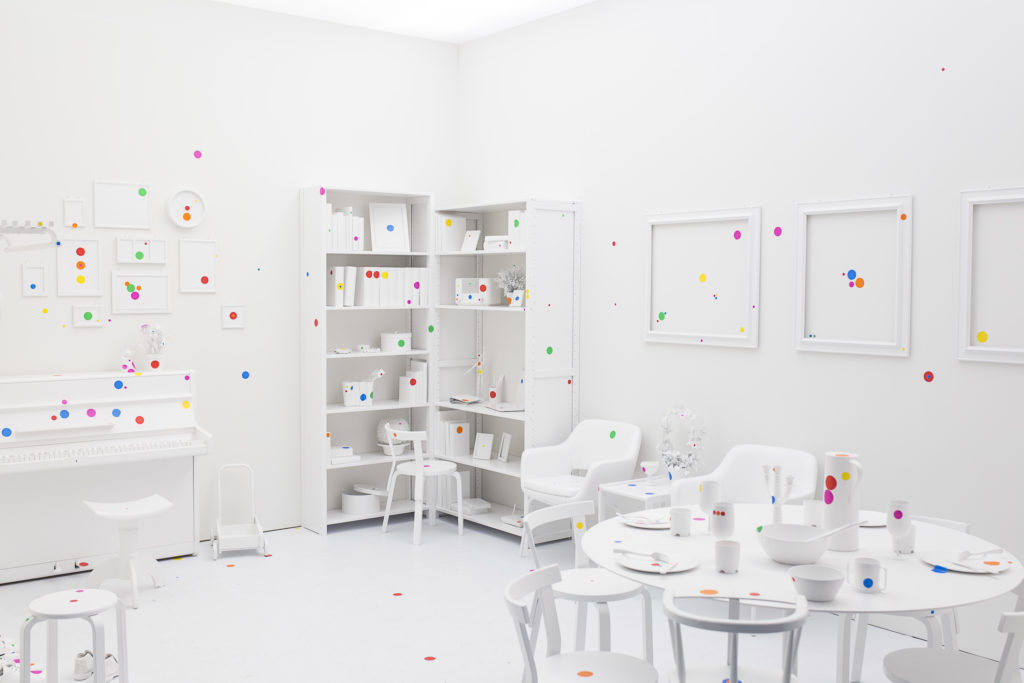
In 2024, a team of researchers published a study in Nature on the collapse of generative AI models during training. What may happen when data produced by one model is used to train later generations? Under certain conditions, rare cases disappear, diversity contracts and the mod…
…, enlarge freedom, and accept public scrutiny of the consequences. With AI, who owns the gesture? Artificial intelligence makes Wark’s analysis suddenly contemporary. Our gestures, images and writing feed models, while a few companies own the computation, organised data, interf…
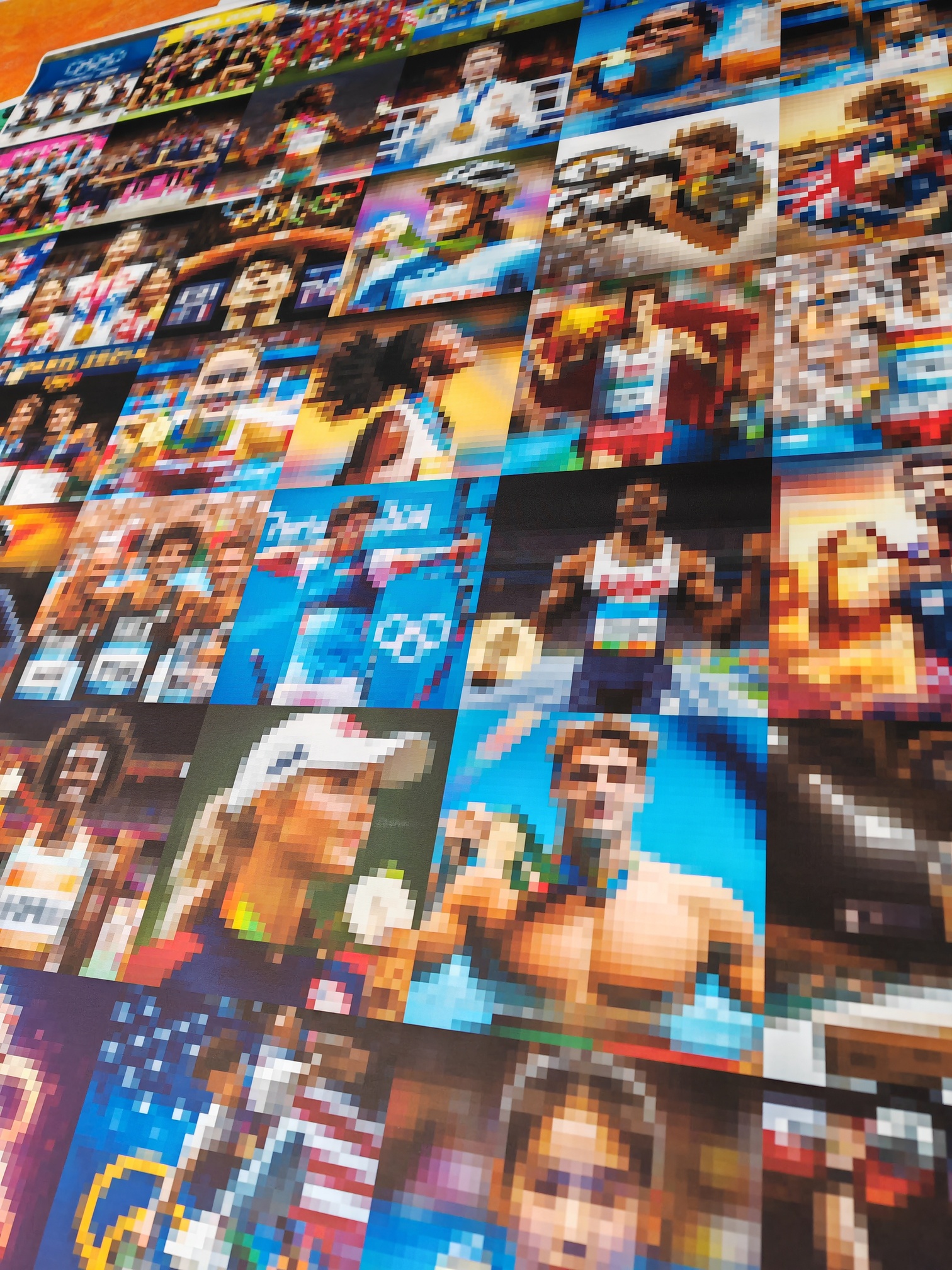
In January 2024, for an exhibition project at the Centre Pompidou’s Hors Pistes festival, I asked an AI a deliberately naïve question: “Who is the winner of the 2024 Olympic Games in discipline X?” The Games had not begun. The machine nevertheless selected real athletes from the…
…what such a catalogue could become today. In light of digital tools, collaborative practices and artificial intelligence, I propose a first mock-up: the Whole Earth Catalogue 2027. The question feels particularly alive amid our abundance of means for acting. Search produces thou…
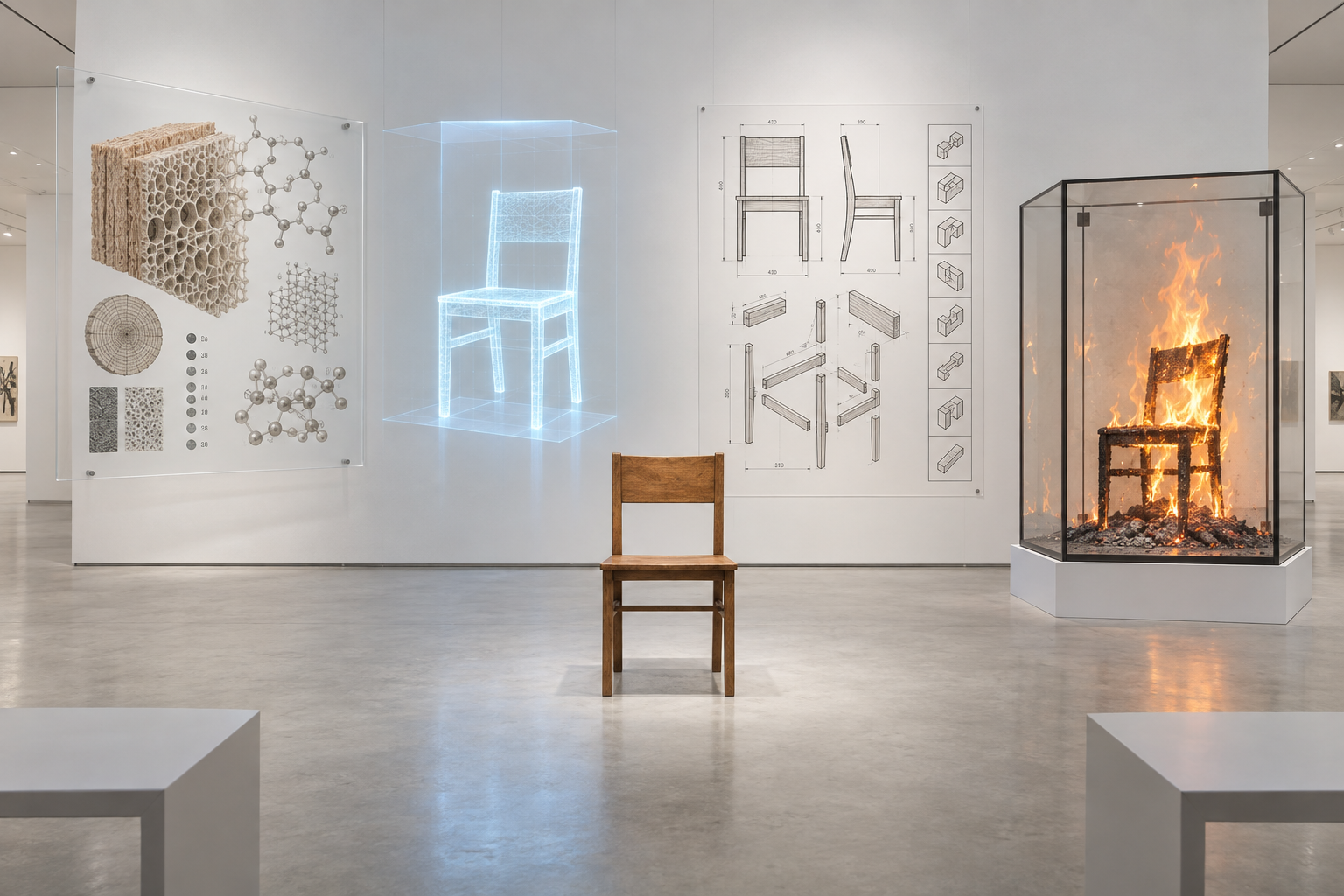
Today we ask artificial intelligence to make images. Then we ask it to animate those images, give them a voice, music, a story. I would like to ask a stranger question: can it take part in an artwork that cannot be reduced to what it represents? Audiovisual and narrative producti…
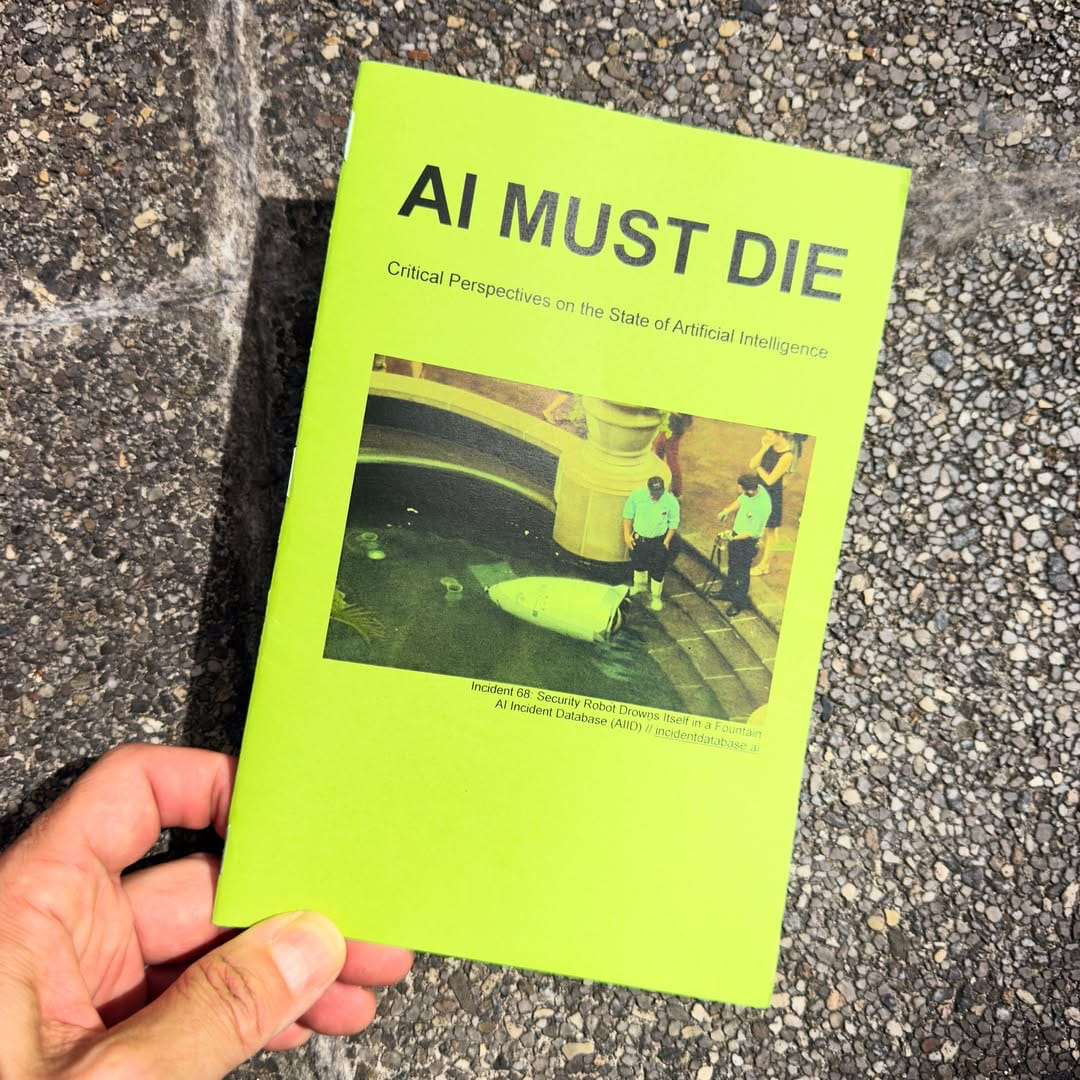
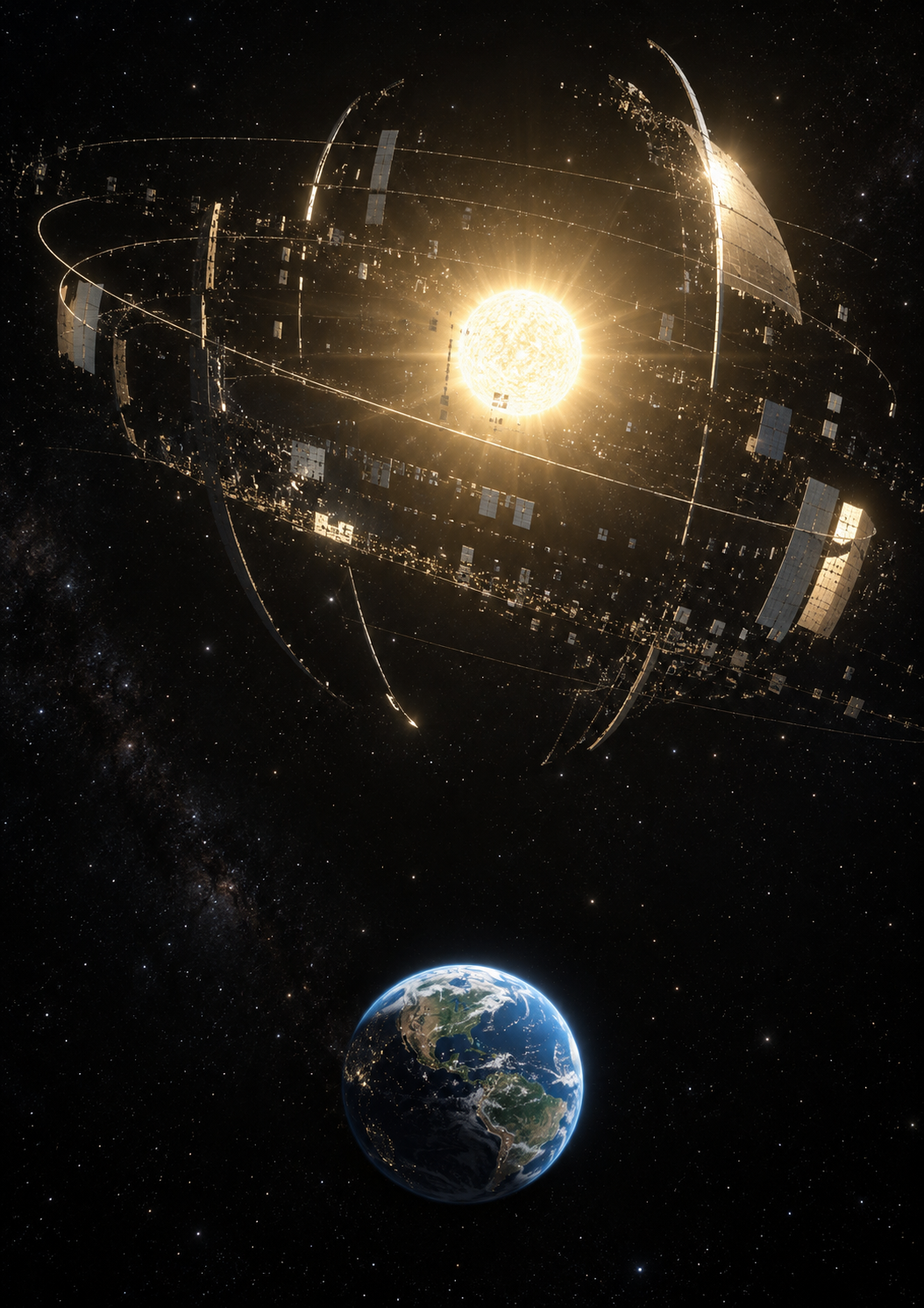
What if artificial intelligence did not simply extend Moore’s law, but manufactured an environment in which humanity becomes the slow, measured and finally unfit species? Starting from current events, the pamphlet AI Must Die and my E.L.I.O.T. project, I examine an acceleration that is as industrial as it is technical. I call “terminal Darwinism” the moment when machines no longer merely assist us: they impose the criteria by which we must work, speak, create and exist.
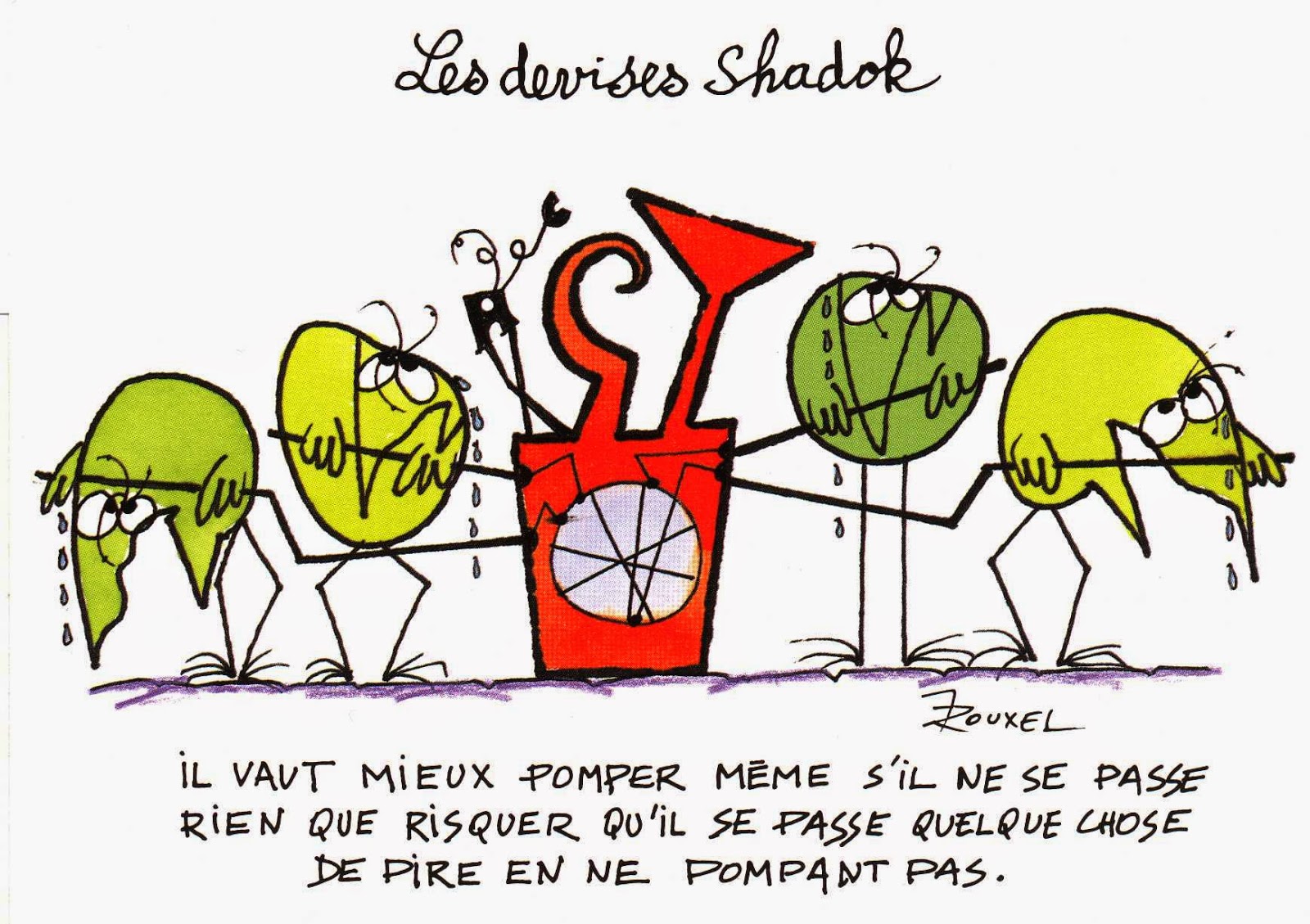
What if artificial intelligence stopped making images for a moment and examined what makes a gesture, object or situation enter the field of art?

David Guez presents Dialogz: a project born from the Web, Le Livre des liens and the desire to engage with artificial intelligence without relinquishing what makes us human and alive.

Just as it is compelling to question the future and draw connections in that direction, the past, when viewed through an electronic microscope, offers an equally fertile field. It reveals invisible trajectories, forgotten causalities and technical decisions that official history…


